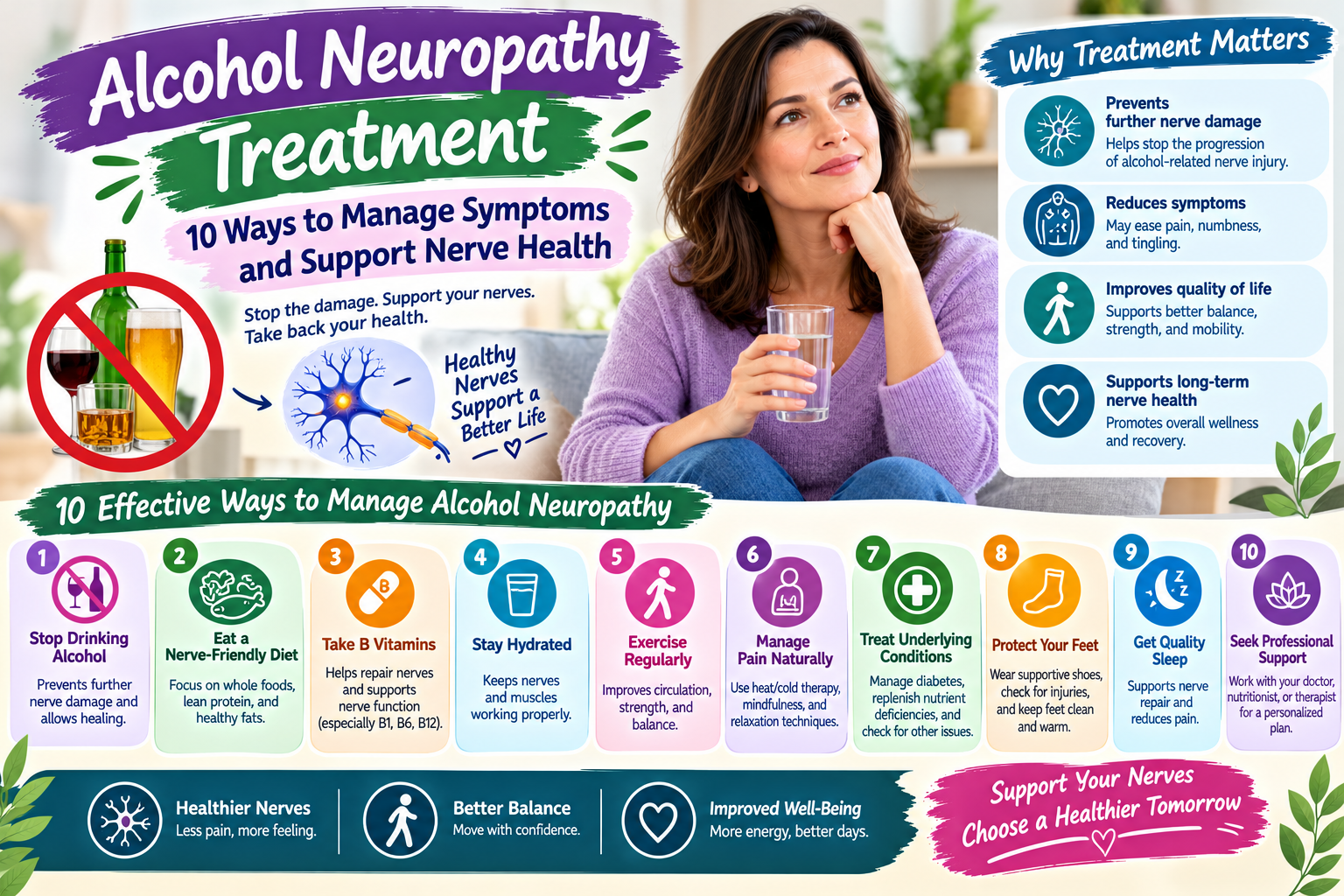
Alcohol-related peripheral neuropathy is a condition in which nerves outside the brain and spinal cord become damaged, often after prolonged or heavy alcohol consumption. It commonly affects the feet and legs first and can cause burning, tingling, numbness, weakness, sensitivity, or difficulty with balance.
Alcohol may contribute to nerve damage in several ways. Long-term heavy drinking can have direct toxic effects on nerves and can also make it harder to maintain adequate nutrition. Deficiencies in nutrients such as thiamine and other B vitamins may further contribute to neurological problems.
The good news is that addressing alcohol use, improving nutrition, protecting the feet, and receiving appropriate medical treatment can help manage symptoms and reduce the risk of additional nerve damage.
This guide covers 10 ways to manage alcohol-related neuropathy and support nerve health.
Click Here To Watch Video to Treat Neuropathy Disease Naturally!..
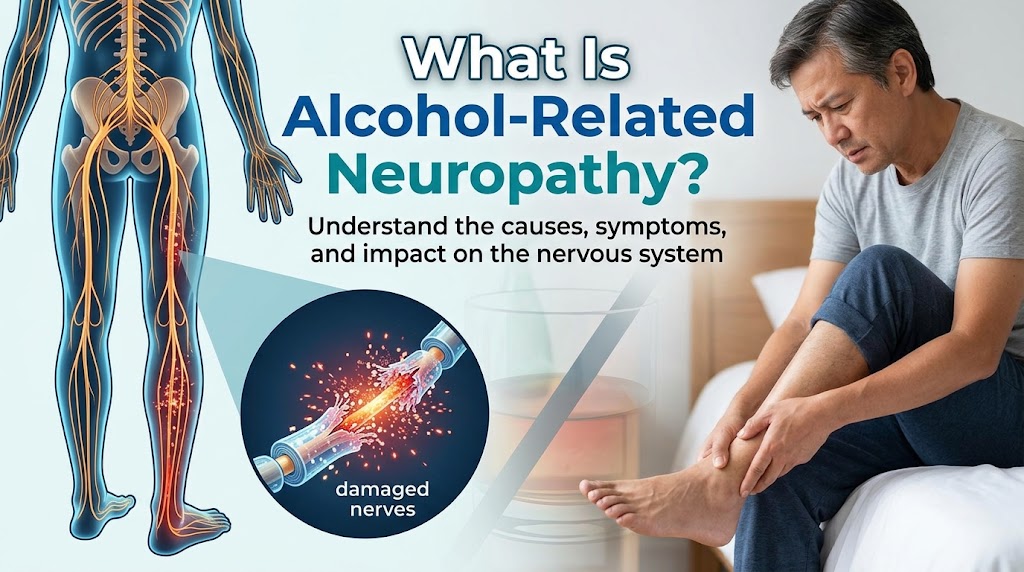
Alcohol-related neuropathy, sometimes called alcoholic peripheral neuropathy, occurs when peripheral nerves become damaged in association with prolonged excessive alcohol consumption.
Peripheral nerves carry signals between the brain and spinal cord and the rest of the body. When these nerves are damaged, communication between the nervous system and muscles, skin, and other tissues can become disrupted.
Symptoms commonly begin in the feet and lower legs and may gradually move upward. The hands can also become affected.
Common symptoms include:
- Burning or aching pain
- Tingling or pins and needles
- Numbness
- Increased sensitivity to touch
- Reduced sensation
- Muscle weakness
- Muscle cramps
- Poor coordination
- Balance difficulties
- Changes in walking
Symptoms can vary considerably from person to person.
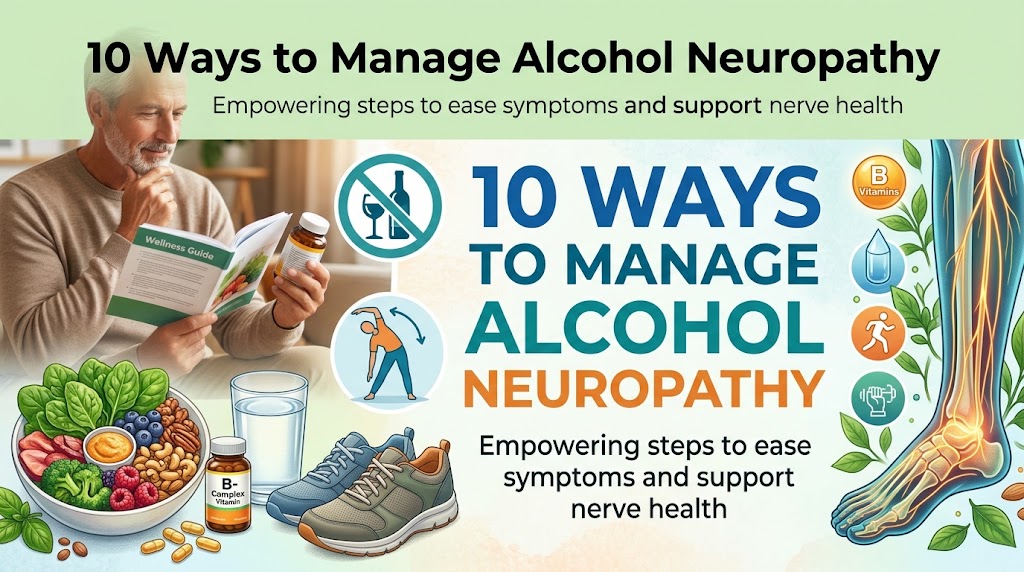
10 Ways to Manage Alcohol Neuropathy
Click Here To Watch Video to Treat Neuropathy Disease Naturally!..
1. Reduce or Stop Alcohol Consumption Safely
One of the most important steps in managing alcohol-related neuropathy is addressing alcohol use.
Continuing heavy alcohol consumption can contribute to ongoing nerve damage and make it more difficult for the body to recover.
Stopping alcohol may help prevent additional damage and may allow some symptoms to improve over time, although recovery varies depending on the severity and duration of nerve damage.
Important: People who drink heavily or regularly should not necessarily stop suddenly without medical advice. Alcohol withdrawal can sometimes be dangerous and may cause serious complications.
A healthcare professional can help determine whether supervised withdrawal, medication, counseling, or another form of support is appropriate.
2. Improve Nutrition
Poor nutrition is common in people who consume excessive amounts of alcohol. Alcohol can replace nutritious foods in the diet and may interfere with nutrient absorption and metabolism.
Nutritional deficiencies can contribute to neurological problems.
A balanced diet should include:
- Vegetables
- Fruits
- Whole grains
- Beans and lentils
- Eggs
- Fish
- Lean meats
- Nuts and seeds
- Dairy or fortified alternatives
Eating regular, nutritious meals can help provide the body with the nutrients needed for normal nerve function.
If eating has been difficult or your diet has been inadequate, speak with a healthcare professional or registered dietitian about an appropriate nutrition plan.
3. Check for Vitamin and Nutrient Deficiencies
Certain nutrient deficiencies are particularly important when evaluating alcohol-related neuropathy.
Thiamine, also known as vitamin B1, is essential for normal nerve and energy metabolism. Deficiency can cause serious neurological problems.
Other nutrients that may need evaluation include:
- Vitamin B12
- Folate
- Vitamin B6
- Vitamin D
- Magnesium
- Other vitamins and minerals depending on the individual’s nutritional status
Blood tests may be recommended to identify deficiencies.
Do not assume that taking large doses of vitamins will repair damaged nerves. Some nutrients can cause harm when taken excessively. For example, excessive vitamin B6 from supplements can itself cause peripheral neuropathy.
4. Treat Underlying Medical Conditions
Alcohol-related neuropathy can occur alongside other health problems.
For example, a person who drinks heavily may also have:
- Diabetes
- Liver disease
- Nutritional deficiencies
- Kidney problems
- Other neurological conditions
These conditions may contribute to or worsen nerve symptoms.
A healthcare professional can assess your medical history and determine whether additional conditions need to be treated.
Managing all relevant health problems is an important part of comprehensive neuropathy care.
5. Use Appropriate Treatment for Nerve Pain
Alcohol-related neuropathy can cause significant burning, stabbing, or aching pain.
Traditional over-the-counter pain relievers do not always work well for neuropathic pain because the problem involves abnormal nerve signaling.
Depending on your symptoms and overall health, a healthcare professional may consider medications specifically used for neuropathic pain.
Treatment options can include certain:
- Antidepressant medications
- Antiseizure medications
- Topical pain treatments
- Other prescription approaches
The appropriate treatment depends on factors such as other medical conditions, current medications, age, kidney or liver function, and the severity of symptoms.
Never start or stop prescription medication without professional guidance.
6. Protect Your Feet Every Day
Neuropathy can reduce your ability to feel injuries.
A small cut, blister, burn, or pressure injury may go unnoticed because numbness prevents you from feeling it normally.
Daily foot care can help reduce complications.
Check your feet for:
- Cuts
- Blisters
- Redness
- Swelling
- Bruising
- Cracked skin
- Sores
- Signs of infection
Wear comfortable, properly fitting shoes and avoid walking barefoot if sensation is reduced.
If you notice a wound that is not healing, seek medical attention rather than waiting for it to become painful.
7. Exercise Safely
Physical activity can support cardiovascular health, muscle strength, mobility, and overall well-being.
Depending on your abilities and medical condition, appropriate activities may include:
- Walking
- Swimming
- Stationary cycling
- Gentle stretching
- Chair exercises
- Low-impact aerobic activities
Exercise may also help maintain muscle strength when neuropathy causes weakness.
However, balance problems can increase the risk of falls. If you have significant numbness or weakness, consider working with a healthcare professional or physical therapist to develop a safe exercise program.
Stop exercising if you experience severe pain, dizziness, chest pain, unusual shortness of breath, or another concerning symptom.
8. Work on Balance and Muscle Strength
Alcohol-related neuropathy can affect coordination and balance.
This can increase the risk of falls, particularly when numbness affects the feet.
A physical therapist can teach exercises designed to improve:
- Balance
- Lower-body strength
- Walking technique
- Coordination
- Flexibility
Simple exercises may include supported standing, sit-to-stand movements, gentle leg strengthening, and other individualized activities.
Use a stable surface for support and avoid balance exercises alone if you are at significant risk of falling.
9. Avoid Extreme Heat and Cold
Reduced sensation can make temperature-related injuries more likely.
Someone with neuropathy may not realize that bathwater, heating pads, hot-water bottles, or other surfaces are dangerously hot.
To protect your feet:
- Test water temperature carefully.
- Avoid placing heating pads directly on numb feet.
- Do not use extremely cold water or ice directly on the skin.
- Wear appropriate footwear outdoors.
- Check your skin regularly.
If sensation is reduced, use safer methods to judge temperature rather than relying only on your feet.
10. Get Ongoing Medical and Emotional Support
Treating alcohol-related neuropathy involves more than managing physical symptoms.
Reducing or stopping alcohol can be difficult, particularly when alcohol use has become a long-term habit.
Support may include:
- Primary healthcare
- Addiction treatment services
- Counseling
- Support groups
- Mental health professionals
- Nutrition counseling
- Physical therapy
There is no need to manage the process alone.
A healthcare professional can help create a treatment plan that addresses both alcohol use and the neurological symptoms associated with it.
Can Alcohol Neuropathy Be Reversed?
Click Here To Watch Video to Treat Neuropathy Disease Naturally!..
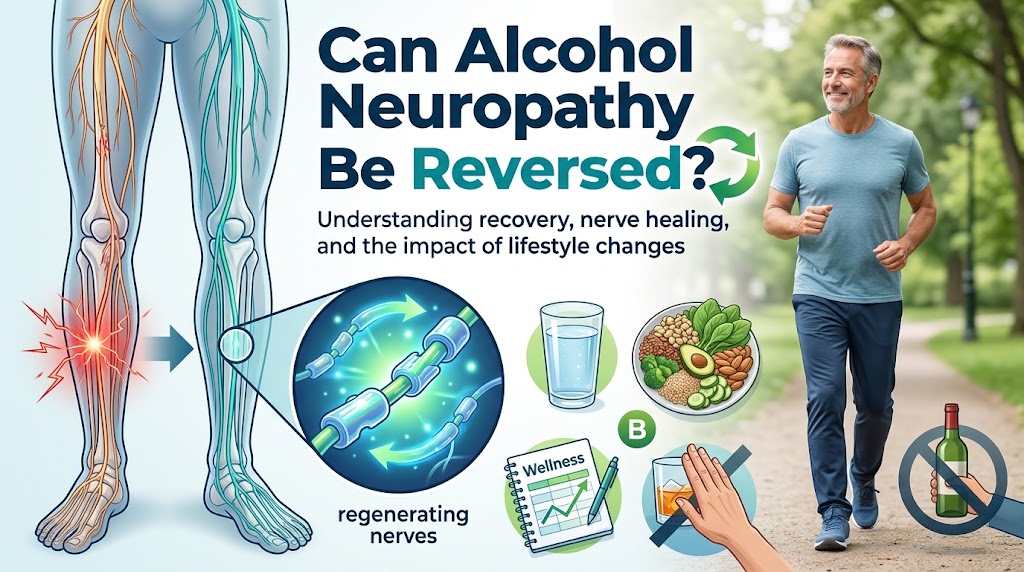
Recovery depends on several factors, including how long the nerves have been affected, the severity of damage, nutritional status, other medical conditions, and whether alcohol exposure continues.
Reducing or stopping harmful alcohol consumption and correcting nutritional deficiencies may help prevent additional nerve damage and may improve symptoms in some people.
However, established nerve damage may take a long time to improve, and some nerve problems may persist.
Treatment is therefore often focused on:
- Preventing further nerve damage.
- Addressing alcohol use.
- Correcting nutritional deficiencies.
- Managing pain.
- Improving strength and balance.
- Protecting the feet.
- Supporting overall quality of life.
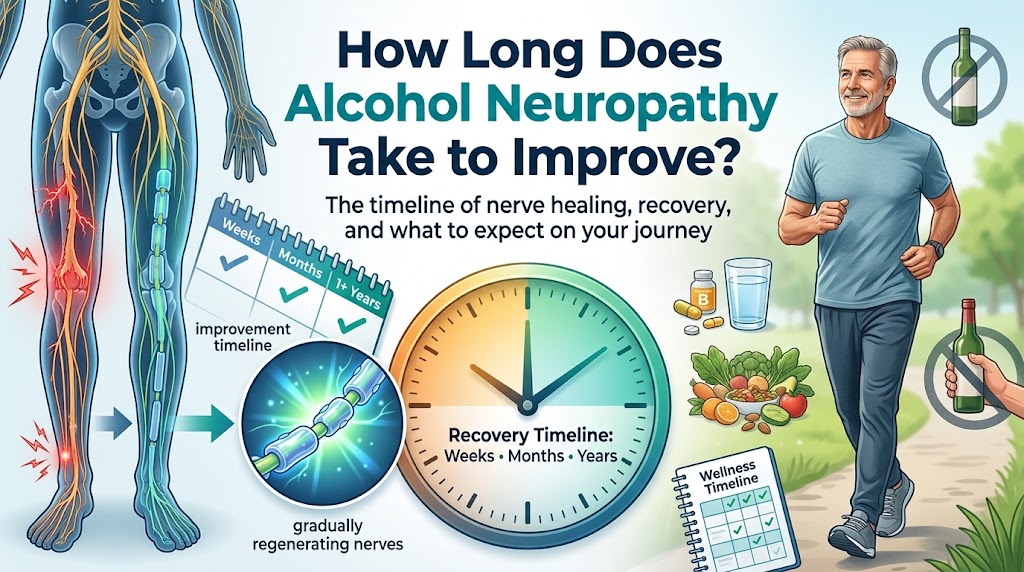
How Long Does Alcohol Neuropathy Take to Improve?
Click Here To Watch Video to Treat Neuropathy Disease Naturally!..
There is no single recovery timeline.
Some people may notice gradual improvement after addressing alcohol use and nutritional problems, while others may have persistent symptoms.
Nerves generally recover slowly, and the extent of recovery depends on the amount and duration of damage.
Regular follow-up appointments can help monitor symptoms and identify complications early.
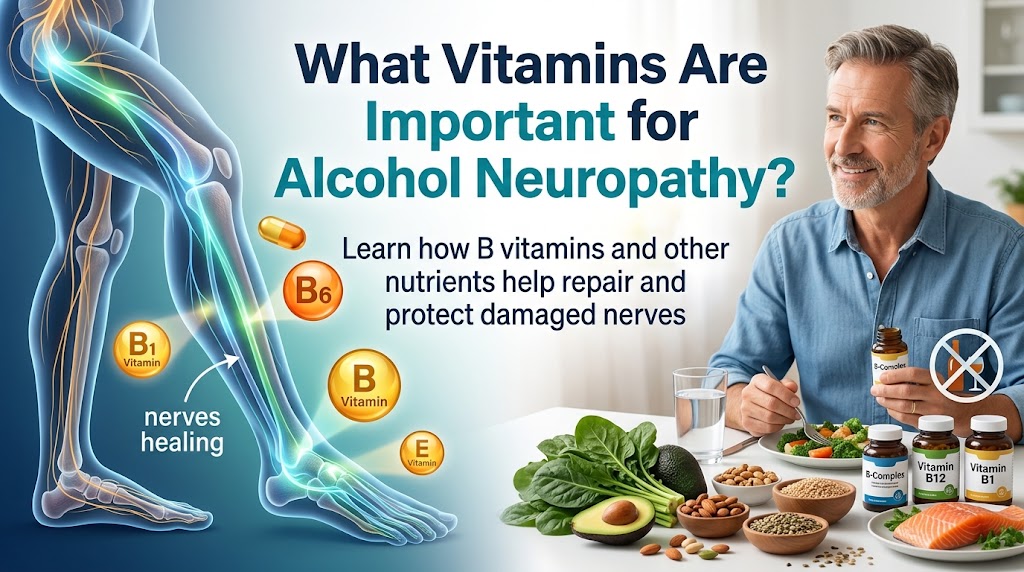
What Vitamins Are Important for Alcohol Neuropathy?
Click Here To Watch Video to Treat Neuropathy Disease Naturally!..
Several nutrients may be relevant, particularly when nutritional deficiency is present.
Important examples include:
Vitamin B1 (Thiamine)
Thiamine is essential for energy metabolism and normal neurological function. Heavy alcohol use is associated with increased risk of thiamine deficiency.
Vitamin B12
B12 supports healthy nerve function and blood-cell production. Deficiency can cause neurological symptoms.
Folate
Folate is important for cell division and normal blood formation and may be inadequate in people with poor nutrition.
Other nutrients
Depending on the individual, healthcare professionals may evaluate vitamin D, magnesium, and other nutrients.
The appropriate supplement and dose depend on individual needs. Avoid self-prescribing high-dose vitamin combinations.
When Should You See a Doctor?
If you experience persistent burning, numbness, tingling, weakness, or balance problems and regularly consume alcohol, arrange a medical evaluation.
Seek prompt medical attention if you develop:
- Rapidly worsening weakness
- Severe difficulty walking
- Frequent falls
- New loss of bladder or bowel control
- Significant foot wounds
- Signs of infection
- Sudden neurological symptoms
- Severe confusion or other concerning symptoms
People who drink heavily should also seek medical guidance before abruptly stopping alcohol because withdrawal can sometimes become a medical emergency.
Final Thoughts
Alcohol-related neuropathy can affect the feet, legs, hands, and other areas and may cause burning, tingling, numbness, weakness, and balance problems.
The most important part of treatment is addressing the underlying alcohol exposure while ensuring adequate nutrition and medical care. Depending on the individual, treatment may also include medications for nerve pain, physical therapy, balance exercises, daily foot protection, and treatment of nutritional deficiencies or other medical conditions.
Recovery is not always immediate, and damaged nerves may take considerable time to improve. Some symptoms may remain even after the underlying cause has been addressed.
If you are experiencing symptoms of neuropathy and regularly consume alcohol, speaking with a healthcare professional is an important first step. With appropriate support, you can work toward reducing further nerve damage, managing symptoms, and improving your overall health and quality of life.
Medical Disclaimer: This article is for general educational purposes only and is not a substitute for professional medical advice, diagnosis, or treatment. If you have symptoms of neuropathy, nutritional concerns, or problematic alcohol use, consult a qualified healthcare professional. If you drink heavily, seek medical advice before stopping alcohol suddenly because withdrawal can be dangerous.