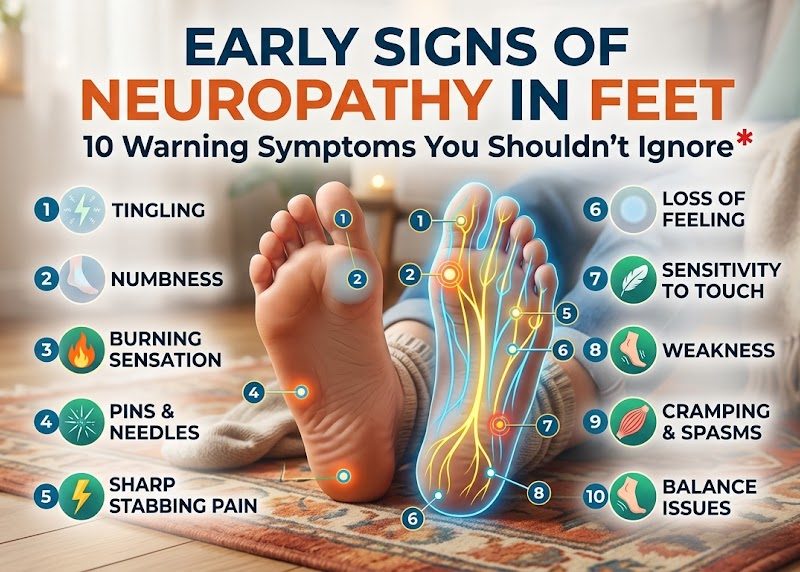
Neuropathy can cause uncomfortable symptoms such as tingling, numbness, burning, sharp pain, sensitivity to touch, and weakness. These symptoms often affect the feet and hands, although neuropathy can involve other parts of the body as well.
Because certain vitamins and nutrients play important roles in nerve function, many people wonder whether supplements or nutrient-rich foods can help support damaged or irritated nerves. The answer depends on the underlying cause of neuropathy and whether a person has a nutritional deficiency.
Some vitamins and nutrients are essential for maintaining healthy nerves, but taking large doses does not necessarily improve neuropathy—and in some cases, excessive supplementation can actually cause nerve problems.
10 Vitamins And Nutrients That May Support Nerve Health
Below are 10 vitamins and nutrients that may support nerve health, along with information about food sources, possible benefits, and important safety considerations.

Click Here To Watch Video to Treat Neuropathy Disease Naturally!..
1. Vitamin B12
Vitamin B12 is one of the most important nutrients for normal nerve function. It helps maintain the protective myelin covering around nerves and plays a role in healthy red blood cell production and DNA synthesis.
A vitamin B12 deficiency can cause neurological symptoms, including:
- Numbness or tingling
- Burning sensations
- Muscle weakness
- Balance problems
- Difficulty walking
- Changes in sensation
People who follow strict vegetarian or vegan diets, have certain digestive conditions, or take some medications may be at increased risk of B12 deficiency.
Food sources of B12
Good sources include:
- Fish and seafood
- Meat
- Eggs
- Milk and dairy products
- Fortified breakfast cereals
- Fortified plant-based foods
If a B12 deficiency is suspected, a healthcare professional can recommend appropriate blood testing and supplementation.
2. Vitamin B6
Vitamin B6 is involved in several processes related to the nervous system, including neurotransmitter production and protein metabolism.
However, vitamin B6 requires special attention when discussing neuropathy.
While inadequate B6 can cause neurological problems, excessive vitamin B6 intake can also cause peripheral neuropathy. This means more is not better.
B6 is found naturally in foods such as:
- Chicken and turkey
- Fish
- Potatoes
- Bananas
- Chickpeas
- Fortified cereals
Avoid taking high-dose B6 supplements unless specifically recommended by a healthcare professional. Check multivitamins and nerve-health supplements for their B6 content because several products taken together can increase total intake.
3. Folate (Vitamin B9)
Folate, also known as vitamin B9, is important for DNA production, cell division, and normal blood formation. It also participates in processes involved in nervous-system function.
Low folate levels may contribute to certain neurological and blood-related problems.
Foods rich in folate include:
- Spinach
- Broccoli
- Asparagus
- Beans
- Lentils
- Avocado
- Citrus fruits
- Fortified grains
Folate supplementation may be appropriate for people with a confirmed deficiency, but it should be used appropriately. High-dose folic acid can also mask certain aspects of vitamin B12 deficiency, so nutritional problems should be evaluated rather than treated blindly.
4. Vitamin B1 (Thiamine)
Vitamin B1, or thiamine, helps the body convert food into energy and supports normal nerve and muscle function.
Thiamine deficiency can affect the nervous system and may be associated with neurological symptoms. Certain health conditions, nutritional deficiencies, and excessive alcohol consumption can increase the risk of inadequate thiamine.
Food sources include:
- Whole grains
- Beans and lentils
- Pork
- Nuts and seeds
- Fortified cereals
- Sunflower seeds
A related form called benfotiamine is sometimes marketed for diabetic neuropathy. Research has investigated its potential benefits, but evidence is not strong enough to consider it a universal treatment for neuropathy.
Discuss supplements with a healthcare professional before using them.
5. Vitamin B2 (Riboflavin)
Vitamin B2, or riboflavin, helps the body produce energy and supports normal cellular function. Like other B vitamins, it contributes to maintaining a healthy nervous system.
Riboflavin can be obtained through a balanced diet.
Food sources include:
- Milk and yogurt
- Eggs
- Lean meats
- Almonds
- Mushrooms
- Spinach
- Fortified grains
A deficiency is uncommon in people who eat a varied diet, but inadequate nutrition can increase the risk.
Rather than relying on high-dose supplements, focus on getting sufficient nutrients through a balanced diet unless a healthcare professional recommends supplementation.
6. Vitamin D
Vitamin D is best known for its role in bone health, but it also participates in immune function, muscle function, and other processes throughout the body.
Some studies have explored a possible relationship between vitamin D status and symptoms associated with diabetic neuropathy. However, vitamin D should not be viewed as a guaranteed treatment for nerve damage.
Vitamin D can be obtained through:
- Sunlight exposure
- Fatty fish
- Egg yolks
- Fortified milk
- Fortified plant-based beverages
- Some fortified cereals
People who have limited sun exposure or certain medical conditions may be at greater risk of deficiency.
A blood test can help determine whether vitamin D levels are low. Supplementation should be based on individual needs rather than taking very high doses without guidance.
7. Vitamin E
Vitamin E is an antioxidant that helps protect cells from oxidative damage. It also supports normal immune function and cellular health.
Nuts, seeds, and plant-based foods provide vitamin E.
Good sources include:
- Almonds
- Sunflower seeds
- Peanuts
- Avocado
- Spinach
- Vegetable oils
Although antioxidants are important for overall health, there is not enough evidence to recommend high-dose vitamin E supplements as a general treatment for peripheral neuropathy.
A nutrient-rich diet is generally a better starting point than megadose supplementation.
8. Magnesium
Magnesium is a mineral rather than a vitamin, but it deserves attention because it is involved in hundreds of biochemical reactions in the body. It contributes to normal muscle and nerve function.
Food sources include:
- Pumpkin seeds
- Almonds
- Cashews
- Beans
- Lentils
- Whole grains
- Leafy green vegetables
Magnesium deficiency can occur in certain situations, but taking magnesium supplements does not automatically treat neuropathy.
Some forms of magnesium can also cause diarrhea or digestive discomfort. People with kidney problems should consult a healthcare professional before taking magnesium supplements.
9. Omega-3 Fatty Acids
Omega-3 fatty acids are essential fats rather than vitamins. They support cardiovascular health and are involved in normal cell structure and biological processes.
Fatty fish are among the best dietary sources of omega-3 fats.
Consider including:
- Salmon
- Sardines
- Mackerel
- Trout
- Herring
Plant sources such as flaxseeds, chia seeds, and walnuts provide alpha-linolenic acid (ALA), another type of omega-3 fatty acid.
Research is continuing to investigate whether omega-3 fatty acids may have a role in nerve health and neuropathy. However, supplements should not be considered a replacement for treatment of the underlying cause.
10. Alpha-Lipoic Acid
Alpha-lipoic acid (ALA) is a naturally occurring compound with antioxidant properties. It is not a vitamin, but it is frequently discussed in connection with diabetic peripheral neuropathy.
Some clinical research has investigated whether ALA may help reduce symptoms such as burning, pain, and tingling in people with diabetic neuropathy. Results vary, and evidence does not establish it as a cure for nerve damage.
ALA can also interact with certain medications and may not be appropriate for everyone.
If you are considering ALA supplements, talk with a healthcare professional first—particularly if you take medication for diabetes or other chronic conditions.
Can Vitamins Cure Neuropathy?

Click Here To Watch Video to Treat Neuropathy Disease Naturally!..
Vitamins and nutrients can support normal nerve function, but they are not a guaranteed cure for neuropathy.
Neuropathy has many possible causes. Diabetes is one common cause, but nerve problems can also be associated with:
- Vitamin deficiencies
- Alcohol use
- Certain medications
- Nerve compression or injuries
- Kidney or liver disease
- Autoimmune disorders
- Infections
- Inherited conditions
- Other underlying medical problems
If neuropathy is caused partly by a nutritional deficiency, correcting that deficiency may be an important part of treatment.
However, taking vitamins when no deficiency exists may not improve symptoms and could sometimes cause harm.
Should You Take a Neuropathy Vitamin Supplement?

Click Here To Watch Video to Treat Neuropathy Disease Naturally!..
Before starting a supplement, consider speaking with a healthcare professional about your symptoms and nutritional status.
Depending on your situation, they may recommend blood tests to evaluate nutrients such as vitamin B12, folate, vitamin D, or other markers.
A supplement may be appropriate when:
- A deficiency has been identified
- Your diet does not provide enough of a particular nutrient
- A medical condition affects nutrient absorption
- A healthcare professional recommends supplementation
Avoid taking several overlapping supplements without checking their labels. You may unknowingly consume excessive amounts of certain nutrients, particularly vitamin B6.
Food First: Building a Nerve-Supportive Diet

Click Here To Watch Video to Treat Neuropathy Disease Naturally!..
For many people, a balanced diet is a safer starting point than taking multiple supplements.
Try building meals around:
Protein: Fish, eggs, poultry, beans, lentils, and other nutritious protein sources.
Vegetables: Leafy greens and a variety of colorful vegetables.
Healthy fats: Nuts, seeds, avocado, and fatty fish.
Whole grains: Oats, brown rice, whole-grain bread, and other minimally processed grains.
Fruit: Berries, citrus fruits, apples, and other whole fruits.
If you have diabetes, managing blood glucose is also an important part of protecting nerve health.
What Vitamins Should You Avoid Taking in High Doses?

Click Here To Watch Video to Treat Neuropathy Disease Naturally!..
One of the most important warnings for people with neuropathy involves vitamin B6.
High amounts of B6 from supplements can damage peripheral nerves and produce symptoms that may resemble or worsen neuropathy.
Before using a supplement, check whether it contains:
- Vitamin B6
- Pyridoxine
- Other forms of vitamin B6
Also consider the total amount coming from multivitamins, B-complex products, energy supplements, and other products.
Never assume that a product marketed for “nerve health” is automatically safe or effective.
When Should You See a Healthcare Professional?

Click Here To Watch Video to Treat Neuropathy Disease Naturally!..
Persistent numbness, tingling, burning, or weakness deserves medical attention, especially when symptoms are worsening.
Seek prompt medical care for symptoms such as:
- Sudden weakness or numbness
- New difficulty walking
- Severe or rapidly worsening pain
- Loss of bladder or bowel control
- Significant balance problems
- New wounds or infections on numb feet
- Symptoms that interfere with everyday activities
A healthcare professional can help determine whether neuropathy is present and investigate its underlying cause.
Final Thoughts
The best vitamins and nutrients for neuropathy depend largely on the reason the nerves are affected and whether a nutritional deficiency exists. Vitamin B12, B1, B2, B6, folate, vitamin D, and vitamin E all contribute to normal body functions, while magnesium, omega-3 fatty acids, and alpha-lipoic acid are also commonly discussed in relation to nerve health.
The most important point is that more vitamins do not necessarily mean healthier nerves. Some nutrients, particularly vitamin B6, can cause problems when taken in excessive amounts.
A balanced diet, appropriate medical evaluation, treatment of the underlying cause, physical activity when appropriate, and good management of conditions such as diabetes can all be important components of a comprehensive approach to neuropathy.
If you have persistent neuropathy symptoms or suspect a vitamin deficiency, speak with a qualified healthcare professional before starting high-dose supplements.
Medical Disclaimer: This article is for general educational purposes only and is not a substitute for professional medical advice, diagnosis, or treatment. Always consult a healthcare professional before starting, stopping, or changing vitamins or dietary supplements.