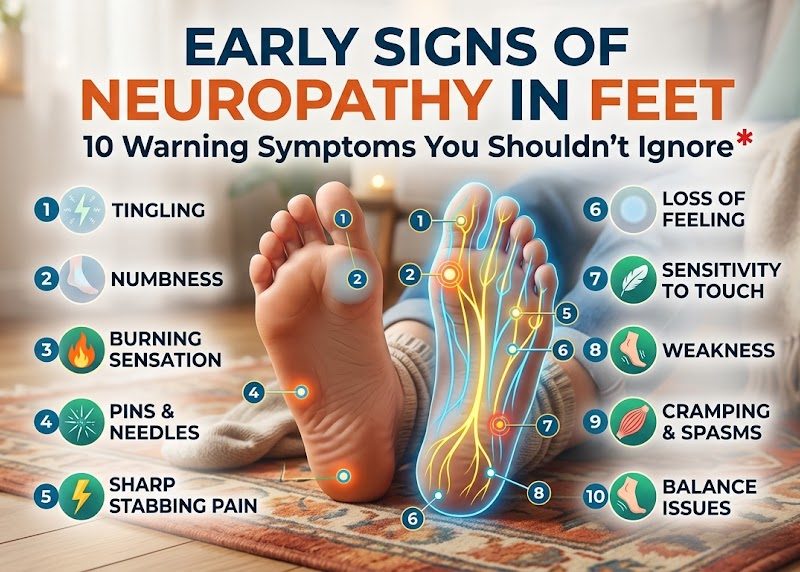
Neuropathy in the feet can cause burning, tingling, numbness, stabbing pain, sensitivity to touch, or a feeling of walking on something soft or uneven. These symptoms can interfere with sleep, balance, walking, and everyday activities.
Peripheral neuropathy has many possible causes. Diabetes is one of the most common, but nerve damage can also be associated with vitamin deficiencies, certain medications, alcohol use, infections, autoimmune conditions, kidney disease, nerve compression, and other medical problems.
Treatment depends on the underlying cause and the type and severity of nerve damage. While some nerve damage cannot be completely reversed, treating the cause and managing symptoms can often improve comfort and help prevent further complications.
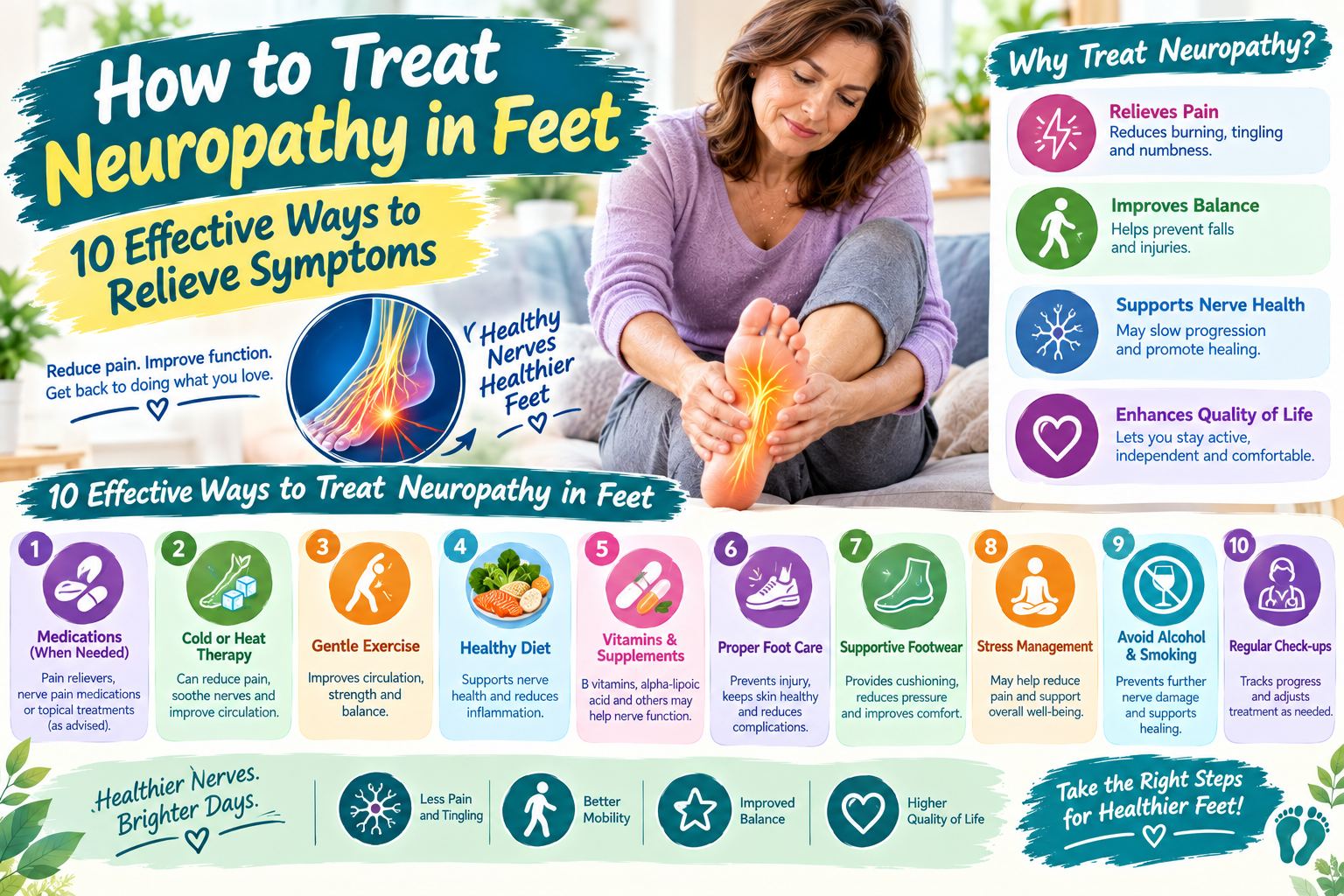
Here are 10 effective approaches that may help relieve neuropathy symptoms in the feet.

Click Here To Watch Video to Treat Neuropathy Disease Naturally!..
1. Identify and Treat the Underlying Cause
The first step in treating foot neuropathy is determining why the nerves are being affected.
For people with diabetes, consistently high blood glucose can damage nerves over time. Improving blood glucose management can help slow further nerve damage and may reduce symptoms for some people.
Other possible causes include:
- Vitamin B12 deficiency
- Excessive alcohol use
- Certain medications
- Kidney disease
- Thyroid disorders
- Autoimmune diseases
- Infections
- Nerve compression
- Certain inherited conditions
A healthcare professional may review your medical history, medications, symptoms, and lifestyle. Blood tests may be used to look for diabetes, vitamin deficiencies, thyroid problems, kidney problems, or other potential causes.
Treating the underlying problem is often more important than simply masking the pain.
2. Keep Blood Sugar Within Your Recommended Range
If diabetes is causing or contributing to neuropathy, blood glucose management is a key part of treatment.
Repeatedly high blood sugar can damage peripheral nerves and the small blood vessels that supply them. Over time, this can lead to numbness, burning, tingling, or pain in the feet and legs.
Work with your healthcare team to develop an individualized diabetes-management plan. Depending on your situation, this may include:
- Taking prescribed medications correctly
- Monitoring blood glucose as recommended
- Eating balanced meals
- Staying physically active
- Maintaining a healthy weight
- Attending regular diabetes appointments
Avoid making major medication changes on your own. Blood glucose targets are individualized, so follow the goals provided by your healthcare professional.
3. Check Your Feet Every Day
Numbness can make it difficult to notice small injuries. A blister, cut, burn, or pressure area may become serious if it is not detected and treated promptly.
Make daily foot checks part of your routine. Look for:
- Cuts or scratches
- Blisters
- Redness
- Swelling
- Cracked skin
- Bruising
- Sores
- Changes in skin color
- Drainage or pus
- Areas of unusual pressure
Check between your toes and the bottoms of your feet. If it is difficult to see the soles, use a mirror or ask someone you trust to help.
Early detection of foot problems can reduce the chance of complications.
4. Wear Protective, Comfortable Footwear
When sensation is reduced, shoes become an important form of protection.
Choose comfortable shoes that fit properly and provide adequate room for your toes. Avoid footwear that creates pressure, rubbing, or painful areas.
You may also benefit from:
- Soft, moisture-wicking socks
- Properly fitted walking shoes
- Cushioned footwear when appropriate
- Checking the inside of shoes before putting them on
Avoid walking barefoot, especially outdoors or on surfaces where you could step on something sharp or extremely hot.
If you have significant foot deformities or recurring pressure areas, ask a healthcare professional whether specialized footwear or orthotics may be appropriate.
5. Use Appropriate Treatments for Nerve Pain
Neuropathic pain often does not respond well to ordinary pain relievers. Healthcare professionals may recommend medications specifically used for nerve pain.
Depending on the individual, treatment may include certain prescription medications such as:
- Gabapentin
- Pregabalin
- Duloxetine
- Certain tricyclic antidepressants
- Selected topical treatments
These medications work differently and may have side effects or interactions with other medicines.
Topical treatments may also be considered for localized symptoms. Your healthcare professional can help determine which option is appropriate based on your age, medical conditions, other medications, and symptoms.
Do not start, stop, or change prescription medication without medical guidance.
6. Keep Your Feet and Skin Healthy
Neuropathy can increase the risk of unnoticed skin injuries. Good foot hygiene can help protect the skin and reduce problems.
Wash your feet gently with warm—not very hot—water and mild soap. Dry them carefully, particularly between the toes.
If your skin is dry, a moisturizer can help prevent cracking. However, avoid putting moisturizer between the toes because excess moisture in that area may encourage certain skin problems.
Trim toenails carefully and straight across when possible. If you have poor circulation, severe neuropathy, vision problems, or difficulty caring for your feet safely, ask a healthcare professional about appropriate foot care.
Avoid cutting corns or calluses yourself with sharp tools.
7. Exercise Safely and Regularly
Physical activity can be helpful for many people with peripheral neuropathy. Exercise may support circulation, muscle strength, balance, mobility, and overall health.
Depending on your condition, suitable activities may include:
- Walking
- Stationary cycling
- Swimming
- Water exercise
- Gentle strengthening exercises
- Balance exercises
- Stretching
However, numb feet can increase the risk of injury during exercise. Choose activities appropriate for your symptoms and check your feet afterward for blisters, redness, or pressure spots.
If neuropathy has caused significant weakness or balance problems, a physical therapist may help develop an individualized exercise program.
8. Avoid Alcohol and Stop Smoking
Lifestyle habits can influence nerve health and overall circulation.
Heavy alcohol consumption can contribute to nerve damage and may also make it harder to maintain a nutritious diet. Reducing or avoiding alcohol may therefore be beneficial, particularly when alcohol is contributing to neuropathy.
Smoking can damage blood vessels and reduce circulation, which is especially concerning for people who already have diabetes or foot problems.
If you smoke, quitting can benefit your circulation and overall health. Ask your healthcare professional about evidence-based smoking-cessation support.
9. Correct Nutritional Deficiencies
Certain nutritional deficiencies can contribute to nerve problems. Vitamin B12 deficiency, for example, can cause neurological symptoms.
A healthcare professional may recommend blood tests if your symptoms or medical history suggest a deficiency.
Eating a varied diet can help provide essential nutrients. Depending on your needs, nutritious foods may include:
- Fish
- Eggs
- Lean meats
- Dairy products
- Beans and lentils
- Whole grains
- Vegetables
- Fruits
- Nuts and seeds
Be cautious with high-dose vitamin or mineral supplements. More is not always better, and excessive amounts of some nutrients can cause health problems.
If a deficiency is diagnosed, follow the supplementation plan recommended by your healthcare professional.
10. Work With Your Healthcare Team and Monitor Symptoms
Neuropathy often requires ongoing management rather than a one-time treatment.
Keep track of changes in your symptoms, including:
- When pain occurs
- Whether burning or tingling is getting worse
- Areas affected by numbness
- Changes in walking or balance
- New weakness
- Sleep disruption
- Foot wounds or skin changes
- Possible triggers
A symptom diary can help your healthcare professional understand whether treatment is working.
Depending on your symptoms, evaluation may include a neurological examination, blood tests, nerve conduction studies, electromyography, or other investigations.
If the cause is unclear, additional testing may be necessary to identify an underlying condition.
What Does Neuropathy in the Feet Feel Like?
Click Here To Watch Video to Treat Neuropathy Disease Naturally!..
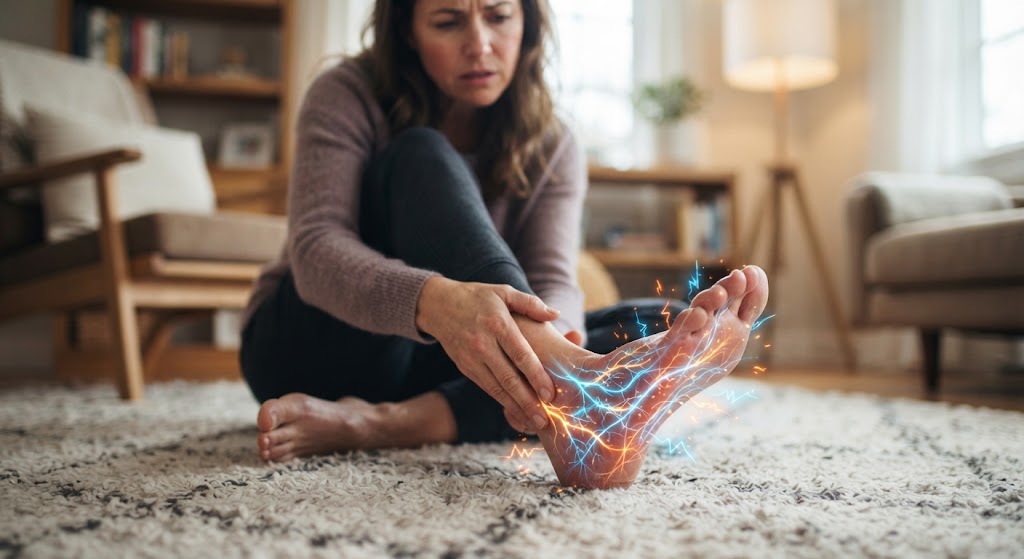
Symptoms vary from person to person. Common sensations include:
- Burning pain
- Pins and needles
- Tingling
- Numbness
- Electric-shock-like pain
- Sharp or stabbing pain
- Increased sensitivity to touch
- Reduced ability to feel temperature
- Muscle weakness
- Poor balance
Some people experience symptoms mainly at night, while others have discomfort throughout the day.
Neuropathy can affect both feet and may gradually move upward into the legs. However, symptoms can vary depending on the underlying cause.
What Should You Avoid If You Have Foot Neuropathy?
Click Here To Watch Video to Treat Neuropathy Disease Naturally!..
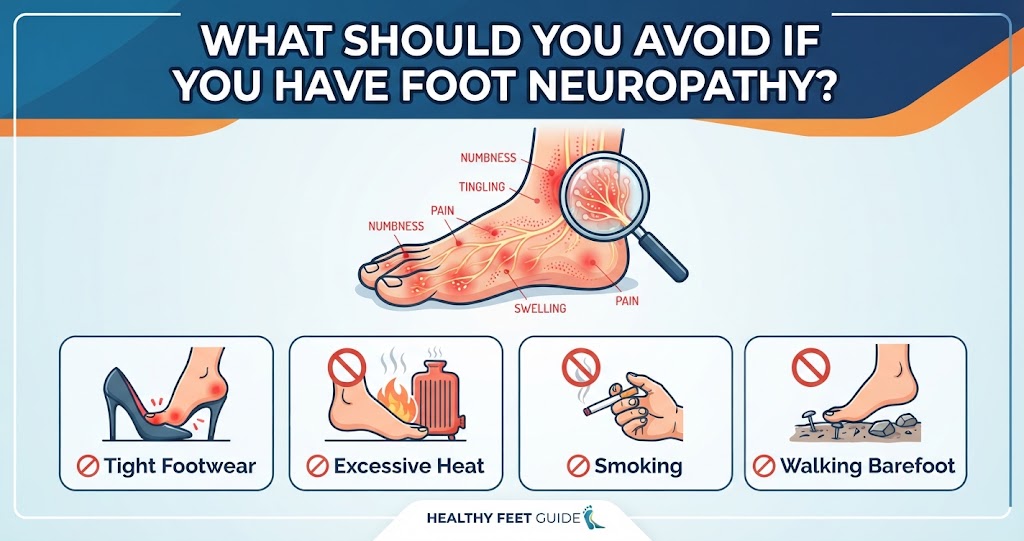
Protecting numb feet is just as important as treating the symptoms.
Try to avoid:
- Walking barefoot
- Extremely hot baths or foot soaks
- Heating pads directly on numb feet
- Tight or poorly fitting shoes
- Cutting calluses with sharp objects
- Ignoring small wounds
- Smoking
- Excessive alcohol
- Unsupervised medication changes
- High-dose supplements without professional advice
Because reduced sensation can make it difficult to detect heat and injuries, always test water temperature carefully before bathing.
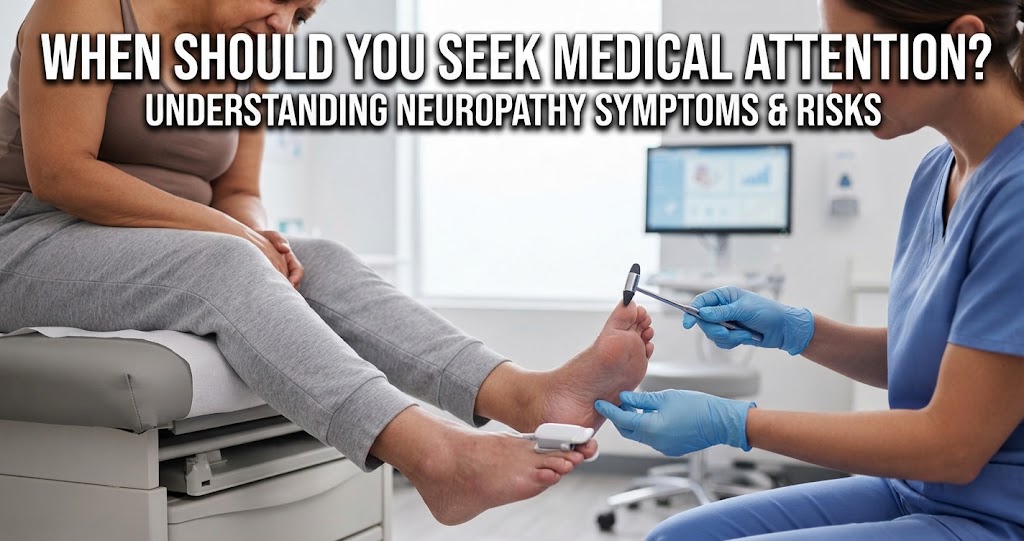
When Should You Seek Medical Attention?
Click Here To Watch Video to Treat Neuropathy Disease Naturally!..
Some foot problems require prompt medical evaluation.
Contact a healthcare professional if you notice a wound that is not healing, increasing redness, swelling, warmth, drainage, or signs of infection.
Seek urgent medical attention for serious or rapidly developing symptoms such as:
- Sudden significant weakness
- Rapidly worsening numbness
- New difficulty walking
- Loss of bladder or bowel control
- Severe unexplained pain
- A serious foot injury
- Significant changes in foot color or temperature
- Signs of a severe infection
People with diabetes should take foot wounds particularly seriously because healing problems and infections can become complicated.
Can Neuropathy in the Feet Be Cured?

Click Here To Watch Video to Treat Neuropathy Disease Naturally!..
Whether neuropathy can be reversed depends largely on its cause.
If neuropathy results from a correctable problem, such as a nutritional deficiency, treating that problem may improve symptoms. Managing diabetes effectively may help slow progression and can sometimes improve symptoms, although established nerve damage may persist.
Some forms of neuropathy are chronic and cannot currently be completely reversed. In these situations, treatment focuses on controlling the underlying cause, relieving pain, maintaining mobility, protecting the feet, and preventing complications.
The earlier the cause is identified, the sooner appropriate treatment can begin.
Final Thoughts
Neuropathy in the feet can be uncomfortable and potentially dangerous because numbness may allow injuries to go unnoticed. Effective management begins with identifying and treating the underlying cause.
For people with diabetes, blood glucose management is an important part of protecting nerves. Daily foot checks, protective footwear, healthy skin care, appropriate exercise, nutritional support, avoiding smoking and excessive alcohol, and professionally guided pain treatment can also help manage symptoms.
If you experience persistent burning, tingling, numbness, or pain in your feet, don’t simply assume it is normal. A healthcare professional can evaluate your symptoms and determine whether neuropathy is present and what may be causing it.
Medical Disclaimer: This article is intended for general educational purposes and does not replace professional medical advice, diagnosis, or treatment. If you have persistent neuropathy symptoms, diabetes, a foot wound, or worsening weakness or numbness, consult a qualified healthcare professional.