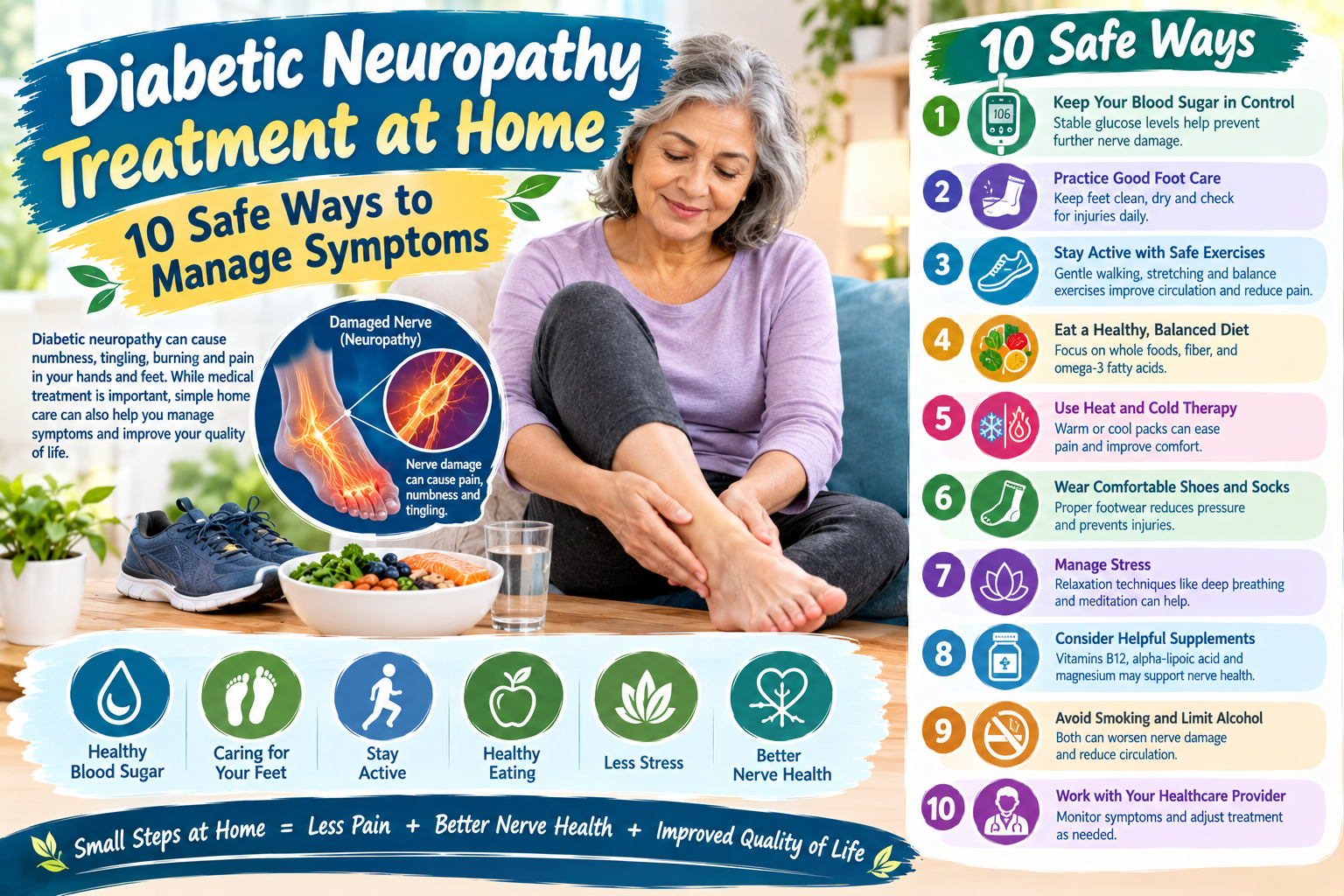
Diabetic neuropathy is a type of nerve damage that can develop when high blood sugar levels affect nerves over time. It most commonly affects the feet and legs, although it can also involve the hands, digestive system, bladder, blood vessels, and other parts of the body.
Common symptoms include burning, tingling, numbness, sharp pain, sensitivity to touch, weakness, and changes in temperature sensation. Because numbness can make injuries harder to notice, people with diabetic neuropathy need to pay particular attention to foot care and injury prevention.
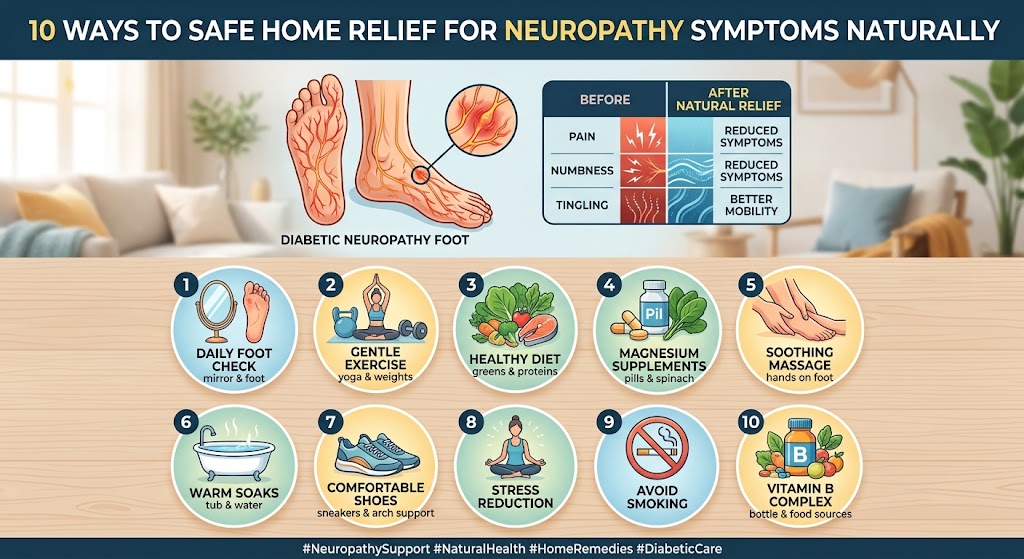
10 Ways Diabetic Neuropathy Symptoms Naturally Safe At Home
Click Here To Watch Video to Treat Neuropathy Disease Naturally!..
Although diabetic neuropathy may require medical treatment, several safe habits at home can help manage symptoms and protect against complications. The following strategies can complement professional care.
1. Keep Blood Sugar Within Your Recommended Range
Managing blood glucose is one of the most important steps for protecting nerves.
Persistently high blood sugar can contribute to nerve damage and may make neuropathy worse over time. Keeping glucose levels within the range recommended by your healthcare professional can help protect remaining nerve function and support overall diabetes management.
Helpful habits include:
- Taking diabetes medications as prescribed
- Following your individualized meal plan
- Monitoring blood glucose as recommended
- Staying physically active when appropriate
- Attending regular diabetes appointments
- Following your healthcare team’s instructions
Avoid making major medication changes based solely on home readings without discussing them with your healthcare professional.
Good glucose management is a long-term process rather than a quick treatment for existing nerve damage.
2. Check Your Feet Every Day
Daily foot inspection is one of the most important home-care habits for people with diabetic neuropathy.
Numbness can make it difficult to notice small cuts, blisters, burns, pressure areas, or infections.
Check your feet every day for:
- Cuts
- Blisters
- Redness
- Swelling
- Cracked skin
- Corns or calluses
- Changes in skin color
- Drainage
- Signs of infection
- Areas of unusual pressure
Use a mirror to inspect the bottoms of your feet if you cannot see them easily.
If you notice a wound, do not ignore it simply because it does not hurt. Nerve damage can reduce pain sensation.
3. Wear Proper Footwear
Protecting your feet from injury is particularly important when sensation is reduced.
Choose comfortable footwear that fits properly and does not create excessive pressure.
Helpful habits include:
- Wear shoes when walking outdoors.
- Avoid walking barefoot, especially on unfamiliar surfaces.
- Check inside shoes for stones or other objects before putting them on.
- Choose socks that fit comfortably.
- Avoid shoes that cause rubbing or pressure.
- Replace worn-out footwear when necessary.
Do not use tight shoes to “break them in” if they cause pain, redness, or pressure.
A podiatrist or diabetes care professional can provide personalized advice if you have significant foot problems.
4. Keep Your Skin Moisturized
Dry, cracked skin can create openings through which bacteria may enter.
A simple skin-care routine can help maintain the skin barrier.
After bathing, gently dry your feet, especially between the toes. Apply an appropriate moisturizer to dry areas of the feet and legs.
However, avoid putting moisturizer between the toes unless specifically advised by a healthcare professional because excess moisture in that area may contribute to skin problems.
Do not cut calluses or corns yourself with sharp objects.
If you have thick calluses, persistent cracks, or other skin problems, seek professional foot care.
5. Choose Gentle Physical Activity
Regular physical activity can support circulation, muscle strength, balance, and overall diabetes management.
Depending on your health and mobility, suitable activities may include:
- Walking
- Swimming
- Stationary cycling
- Gentle stretching
- Chair exercises
- Low-impact aerobic activity
- Strength exercises recommended by a professional
If neuropathy affects your balance or feet, choose activities that reduce the risk of falls or foot injury.
Inspect your feet after exercise, especially if you are trying a new activity or footwear.
If you have severe neuropathy, foot ulcers, significant weakness, or balance problems, ask your healthcare professional which activities are safest.
6. Manage Neuropathic Pain Safely
Diabetic neuropathy pain can feel like burning, electric shocks, pins and needles, or sharp stabbing sensations.
Home measures may provide some comfort, but they do not eliminate the underlying nerve damage.
Some people find relief through:
- Rest after excessive activity
- Gentle movement
- Relaxation techniques
- Comfortable footwear
- Stress-management practices
- Maintaining a regular sleep schedule
Be cautious with heat therapy.
Because neuropathy can reduce temperature sensation, heating pads, hot-water bottles, heated blankets, and very hot baths can cause burns without you realizing it.
If you use warmth, keep temperatures mild and avoid direct high heat. Ask your healthcare professional whether heat-based treatments are appropriate for you.
7. Maintain a Balanced, Nutrient-Rich Diet
A balanced diet supports blood glucose management and overall nerve health.
Try to build meals around nutrient-rich foods such as:
- Non-starchy vegetables
- Whole grains
- Beans and lentils
- Lean proteins
- Fish
- Eggs
- Nuts and seeds
- Fruits in appropriate portions
- Healthy fats
Limiting excessive amounts of added sugars and highly processed foods may make diabetes management easier.
Some people become interested in supplements marketed for nerve health. However, supplements are not automatically safe or effective.
For example, excessive intake of certain vitamins can itself cause nerve problems. Discuss supplements with your healthcare professional before taking them, particularly if you already use prescription medications.
8. Limit Alcohol and Avoid Smoking
Smoking and excessive alcohol consumption can complicate diabetes management and may contribute to poor circulation or other health problems.
Smoking can damage blood vessels and is especially concerning when diabetes already increases the risk of circulation problems.
If you smoke, consider seeking professional help to quit.
Excessive alcohol can also interfere with blood glucose control and may contribute to nerve damage.
Reducing alcohol intake or avoiding it altogether may be appropriate depending on your health and medications.
Ask your healthcare professional for personalized guidance.
9. Protect Yourself From Burns and Injuries
Reduced sensation means you may not notice injuries immediately.
Take extra care with everyday activities involving heat or sharp objects.
For example:
- Test bath water carefully using an area of skin with normal sensation or a thermometer.
- Avoid heating pads on numb areas.
- Wear protective footwear outdoors.
- Do not place your feet directly against heaters.
- Be careful with hot cooking surfaces.
- Avoid cutting nails or removing calluses aggressively.
- Keep floors and walkways free from hazards.
If your hands are affected, take similar precautions when handling hot objects or sharp tools.
Small injuries can become serious if they go unnoticed or become infected.
10. Follow Up With Your Healthcare Team
Home management is useful, but diabetic neuropathy should not be managed entirely without professional care.
Regular medical appointments allow your healthcare team to assess:
- Blood glucose control
- Nerve symptoms
- Foot health
- Circulation
- Kidney function
- Medication effectiveness
- Blood pressure
- Other diabetes complications
Healthcare professionals may also recommend medications specifically for painful diabetic neuropathy.
Depending on your individual situation, prescription treatments may include certain antidepressants, anticonvulsant medications, topical treatments, or other therapies.
These medicines are prescribed for specific reasons and are not appropriate for everyone.
Do not start or stop prescription medication without professional guidance.
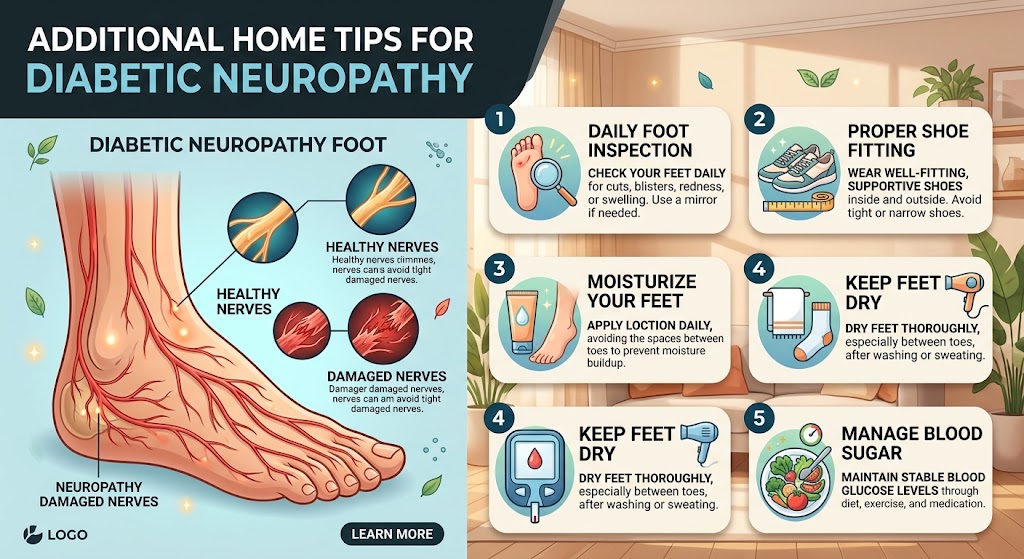
Additional Home Tips for Diabetic Neuropathy
Click Here To Watch Video to Treat Neuropathy Disease Naturally!..
Beyond the 10 main strategies, several everyday habits may help you manage symptoms safely.
Keep a Symptom Journal
Write down when symptoms occur and what they feel like.
Record:
- Burning
- Tingling
- Numbness
- Sharp pain
- Weakness
- Sleep disruption
- Balance problems
This information can help your healthcare professional understand whether your symptoms are changing.
Establish a Consistent Sleep Routine
Neuropathic pain can interfere with sleep, and poor sleep can make pain feel more difficult to manage.
Try to maintain consistent sleep and wake times, create a relaxing evening routine, and keep your bedroom comfortable.
If pain repeatedly prevents you from sleeping, discuss it with your healthcare professional rather than relying solely on home remedies.
Keep Your Home Safe
If neuropathy affects your balance, make fall prevention a priority.
Consider:
- Improving lighting
- Removing loose rugs
- Keeping floors clear
- Installing handrails where necessary
- Using nonslip mats
- Wearing supportive footwear
These simple changes can reduce the likelihood of trips and falls.
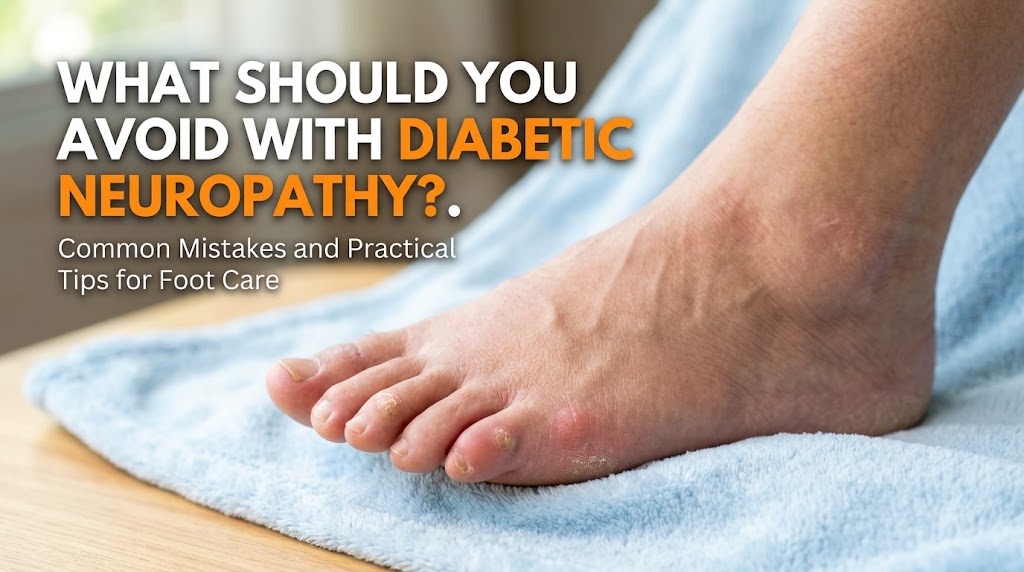
What Should You Avoid With Diabetic Neuropathy?
Click Here To Watch Video to Treat Neuropathy Disease Naturally!..
Certain home treatments can be dangerous when sensation is reduced.
Avoid:
- Walking barefoot
- Very hot baths
- Heating pads on numb areas
- Hot-water bottles against the skin
- Cutting calluses with blades
- Removing corns yourself
- Ignoring foot wounds
- Smoking
- Excessive alcohol
- Taking high-dose supplements without medical advice
- Changing prescription medications without professional guidance
The absence of pain does not necessarily mean that an injury is harmless.
When Should You See a Doctor?
Contact your healthcare professional if neuropathy symptoms are worsening or interfering with daily life.
Seek prompt medical attention for:
- A foot wound that does not heal
- Increasing redness or swelling
- Pus or drainage
- Fever
- Black or discolored skin
- A new foot ulcer
- Sudden weakness
- Significant loss of balance
- New severe pain
- A rapidly changing symptom pattern
A serious foot infection can become dangerous, particularly in people with diabetes.
Do not wait for a wound to become painful before seeking care because neuropathy can reduce pain sensation.
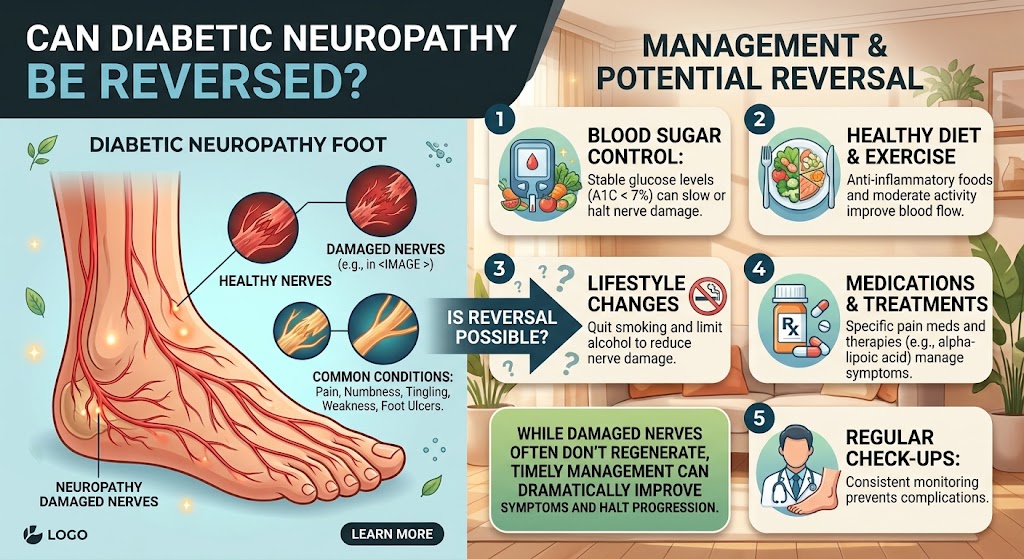
Can Diabetic Neuropathy Be Reversed?
Click Here To Watch Video to Treat Neuropathy Disease Naturally!..
The outlook varies from person to person.
Improving blood glucose management and addressing other risk factors may help slow progression and protect nerve function. Some people experience improvement in symptoms, while others continue to have chronic nerve damage.
The earlier neuropathy is recognized and managed, the more opportunities there may be to prevent additional complications.
Treatment generally focuses on managing blood glucose, controlling pain when necessary, protecting the feet, addressing contributing health problems, and maintaining overall physical health.
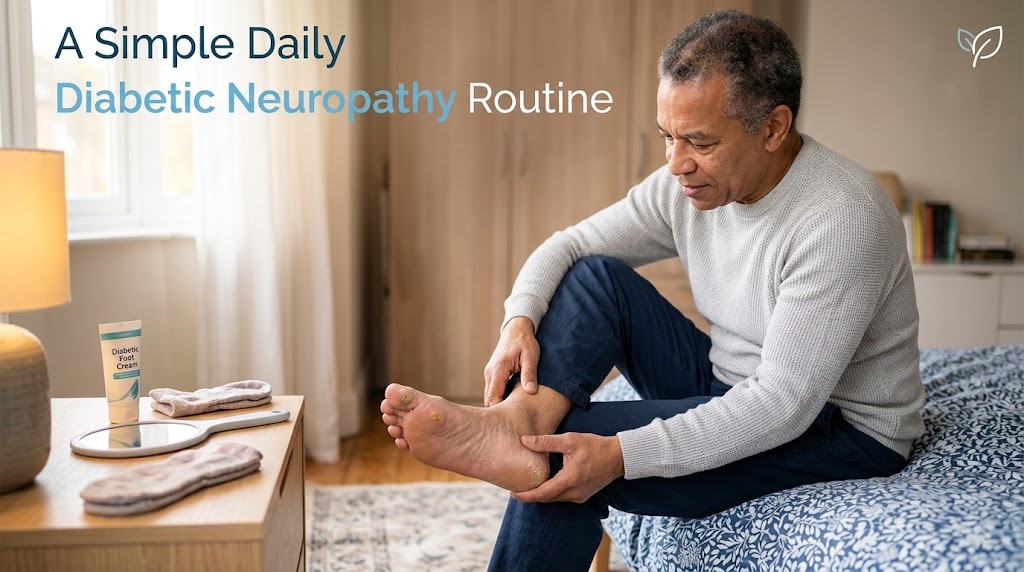
A Simple Daily Diabetic Neuropathy Routine
Click Here To Watch Video to Treat Neuropathy Disease Naturally!..
A practical home routine could include:
Morning: Check your feet and take prescribed medications.
During the day: Monitor blood glucose as recommended and remain appropriately active.
Meals: Choose balanced meals that support your diabetes management plan.
Evening: Inspect your feet again if needed, moisturize dry skin appropriately, and follow your sleep routine.
Every day: Wear protective footwear, avoid burns and injuries, and watch for changes in your symptoms.
Consistency is more important than trying complicated home remedies.
Final Thoughts
Diabetic neuropathy treatment at home should focus on protecting nerves, preventing injuries, managing blood glucose, and controlling symptoms safely.
The 10 key strategies include maintaining recommended blood glucose levels, checking your feet daily, wearing appropriate footwear, caring for your skin, exercising safely, managing nerve pain carefully, eating a balanced diet, limiting alcohol, avoiding smoking, and maintaining regular medical follow-up.
Home care can be an important part of managing diabetic neuropathy, but it should complement professional diabetes and neuropathy treatment.
If you develop a foot wound, infection, sudden weakness, severe symptoms, or rapidly worsening neuropathy, seek medical attention promptly.
Medical Disclaimer: This article is for general educational purposes only and does not replace professional medical diagnosis, treatment, or advice. People with diabetes or diabetic neuropathy should work with a qualified healthcare professional for individualized care. Do not change prescription medications or use supplements as a substitute for recommended medical treatment.