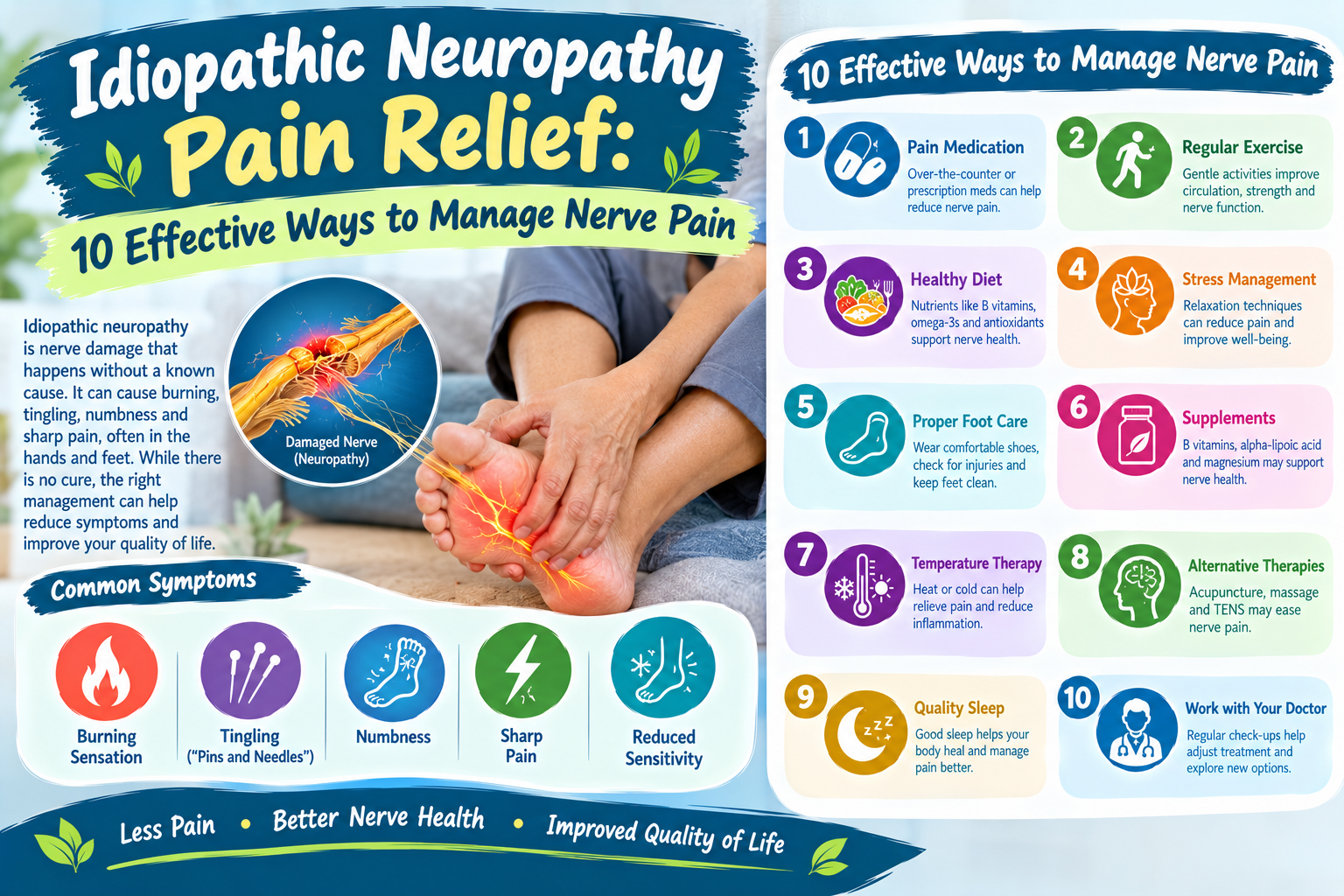
Idiopathic neuropathy is a type of peripheral nerve disorder in which nerve damage or dysfunction occurs without an identifiable cause, even after an appropriate medical evaluation. It can lead to burning, tingling, numbness, sharp pain, electric-shock-like sensations, or unusual sensitivity, particularly in the feet and legs. For some people, these symptoms are mild, while others experience persistent pain that interferes with walking, sleeping, and everyday activities.
Living with unexplained nerve pain can be frustrating, especially when there is no clear underlying condition to treat. However, several approaches can help manage symptoms, improve mobility, and support quality of life. Treatment may include prescription medications, physical therapy, lifestyle adjustments, and strategies to protect affected areas.
This article explores 10 effective ways to manage idiopathic neuropathy pain, along with practical tips for daily comfort and guidance on when to seek medical care.
What Is Idiopathic Neuropathy?
Click Here To Watch Video to Treat Neuropathy Disease Naturally!..
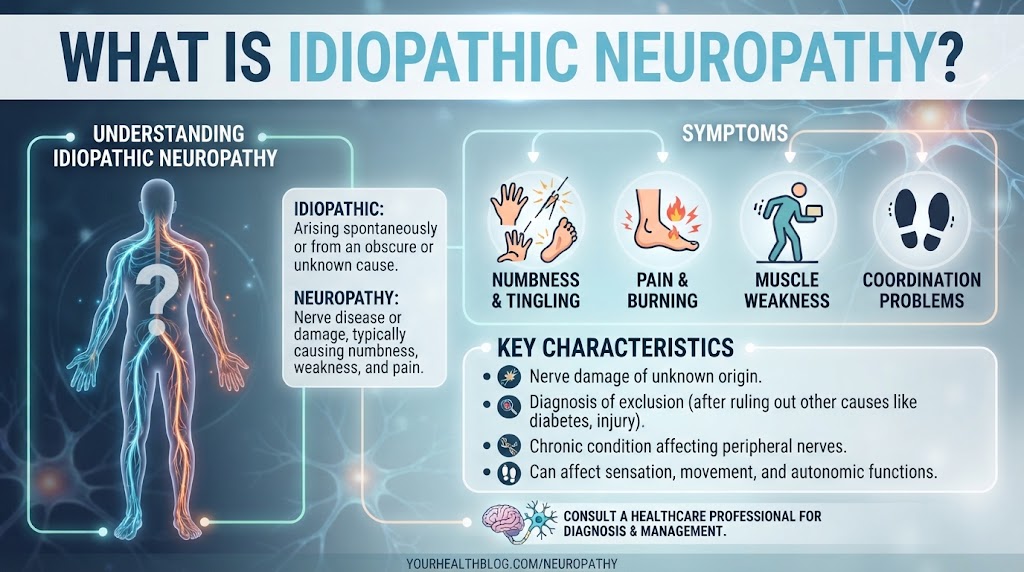
Peripheral neuropathy occurs when nerves outside the brain and spinal cord become damaged or stop functioning normally. These nerves help control movement, sensation, and certain automatic body functions.
The term idiopathic means that the cause is unknown. A healthcare professional may use this term when appropriate testing has not identified a specific reason for the neuropathy.
Possible symptoms include:
- Burning or aching pain
- Tingling or pins-and-needles sensations
- Numbness in the feet or hands
- Sharp, stabbing, or shooting pain
- Increased sensitivity to touch
- Reduced ability to sense heat or cold
- Muscle weakness
- Balance or coordination difficulties
Idiopathic neuropathy is often a diagnosis made after other possible causes have been assessed. Depending on the symptoms and medical history, a clinician may investigate diabetes, vitamin deficiencies, thyroid or kidney problems, medication effects, alcohol-related nerve damage, autoimmune conditions, and other disorders.
1. Work With a Healthcare Professional to Confirm the Diagnosis

Click Here To Watch Video to Treat Neuropathy Disease Naturally!..
The first step toward managing idiopathic neuropathy pain is confirming the diagnosis and checking whether a treatable cause has been overlooked.
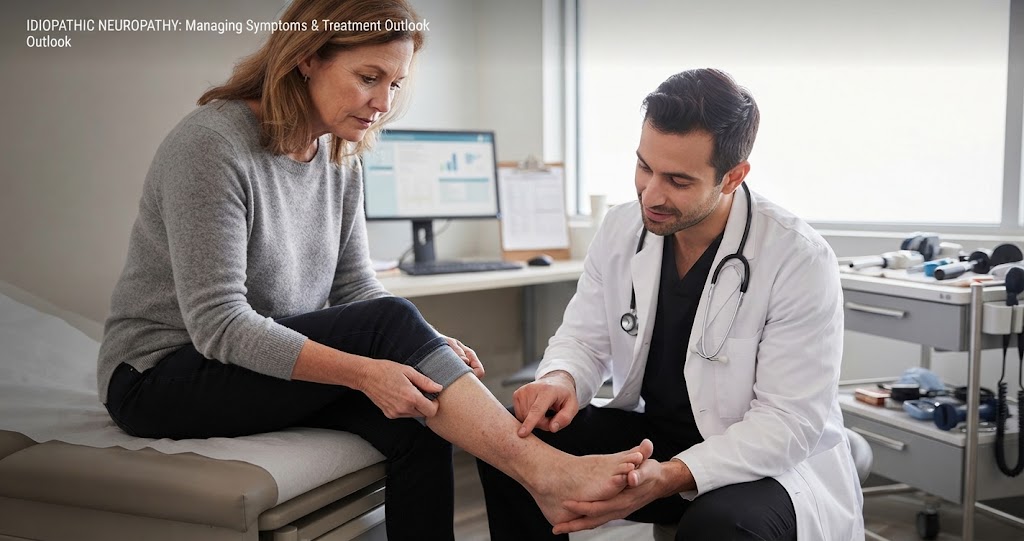
A healthcare professional may review your symptoms, medical history, family history, medications, and lifestyle. A physical and neurological examination can assess sensation, muscle strength, reflexes, and balance.
Depending on your situation, investigations may include:
- Blood glucose or diabetes testing
- Vitamin B12 testing
- Thyroid and kidney function tests
- Other blood tests based on clinical findings
- Nerve conduction studies
- Electromyography (EMG)
- Additional tests when specific conditions are suspected
Not everyone needs every test. The evaluation should be guided by your symptoms and examination.
Sometimes, the cause remains unknown despite a thorough assessment. Follow-up may still be important if symptoms change, progress, or new signs develop.
2. Use Medications Specifically Designed for Nerve Pain
Neuropathic pain is different from pain caused by a simple muscle strain or minor injury. Ordinary pain relievers may not provide sufficient relief, so healthcare professionals may recommend medicines that act on nerve-pain pathways.
Common prescription options include:
- Gabapentin: May reduce nerve-related pain signals and is sometimes used for burning or shooting sensations.
- Pregabalin: Can help manage certain types of neuropathic pain.
- Duloxetine: An antidepressant that also has established uses in treating some forms of nerve pain.
- Tricyclic antidepressants: Certain medicines in this group, such as amitriptyline, may be prescribed for neuropathic pain in selected patients.
The most suitable medication depends on your symptoms, age, other health conditions, current medicines, and possible side effects.
Some treatments can cause dizziness, drowsiness, dry mouth, or balance problems. Your healthcare professional may start with a low dose and adjust it according to your response.
Do not start, stop, or change prescribed medication without medical advice. If a medicine is not helping or causes troublesome side effects, discuss alternatives with your clinician.
3. Consider Topical Treatments for Localized Pain
When nerve pain is concentrated in a small area, topical treatments may be an option. These are applied to the skin and can sometimes provide relief without requiring a medicine to be taken by mouth.
Options may include:
- Lidocaine preparations: Certain creams, gels, or patches can temporarily numb a painful area.
- Capsaicin products: These act on pain-signaling pathways in the skin and may reduce some types of neuropathic pain with regular, appropriate use.
Topical treatments may be particularly useful when pain is localized. They are not suitable for every type of neuropathy, and the strength and frequency of use matter.
Follow the product instructions or your clinician’s guidance. Avoid applying these products to broken or irritated skin unless specifically directed. Wash your hands after use when appropriate, and keep products away from the eyes and other sensitive areas.
Capsaicin can cause an initial burning sensation, so ask a healthcare professional or pharmacist whether it is suitable for you.
4. Stay Physically Active With Safe, Gentle Exercise
Regular physical activity can support muscle strength, circulation, flexibility, balance, and general well-being. Although exercise does not necessarily reverse nerve damage, it may help people with neuropathy maintain mobility and manage some effects of persistent pain.
Suitable activities depend on your symptoms, strength, balance, and general health. Options may include:
- Short walks on even surfaces
- Stationary cycling
- Swimming or water-based exercise
- Gentle stretching
- Light resistance training
- Balance exercises with appropriate support
Start gradually and increase activity at a comfortable pace. If numbness reduces your ability to feel injuries, check your feet and skin after exercise for blisters, redness, or pressure areas.
People with significant weakness, falls, or severe balance difficulties may benefit from an individualized program designed by a physical therapist.
Stop an activity if it causes new or worsening pain, dizziness, or unusual weakness, and discuss these symptoms with your healthcare professional.
5. Protect Your Feet and Hands From Injury
Idiopathic neuropathy can reduce sensation, meaning you may not notice cuts, blisters, burns, or pressure injuries. Protecting areas with numbness is therefore an important part of daily care.
For foot protection:
- Check your feet every day for cuts, blisters, redness, swelling, or sores.
- Wear properly fitting shoes with adequate room for your toes.
- Choose comfortable socks that do not create pressure.
- Avoid walking barefoot, especially outdoors.
- Check bathwater temperature before placing your feet in it.
- Avoid using heating pads or hot-water bottles directly on numb areas.
If you have difficulty seeing or reaching your feet, use a mirror or ask someone to help with daily checks.
Keep your skin clean and dry, and use moisturizer on dry skin while avoiding excessive moisture between the toes. If you develop a wound, infection, or an area that is not healing, seek medical advice promptly.
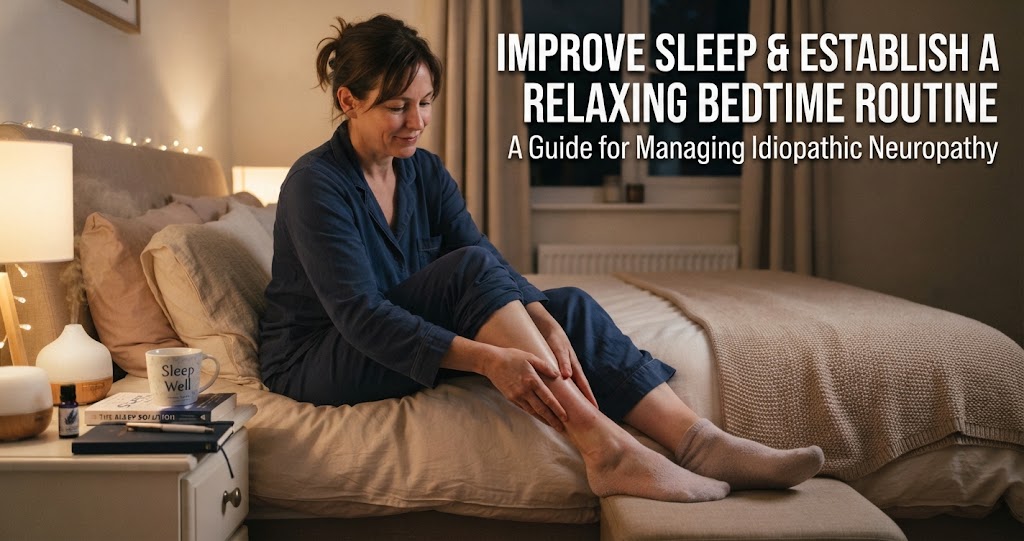
6. Improve Sleep and Establish a Relaxing Bedtime Routine
Click Here To Watch Video to Treat Neuropathy Disease Naturally!..
Nerve pain can make it difficult to fall asleep or stay asleep. Poor sleep may also increase pain sensitivity, creating a cycle in which discomfort and fatigue affect each other.
A consistent bedtime routine may help improve sleep quality.
Consider these habits:
- Go to bed and wake up at consistent times.
- Keep your bedroom quiet, dark, and comfortable.
- Reduce screen use before bedtime if it affects your sleep.
- Avoid heavy meals close to bedtime.
- Limit caffeine later in the day.
- Try gentle breathing exercises or relaxation techniques.
If pain regularly wakes you up, discuss it with your healthcare professional. Your medication timing or treatment plan may need review.
Persistent sleep problems should also be assessed, as they can have causes beyond neuropathy pain.
7. Eat a Balanced, Nutrient-Rich Diet
A balanced diet supports overall nerve, muscle, and metabolic health. While no particular diet has been proven to cure idiopathic neuropathy, good nutrition can help prevent deficiencies and support general well-being.
Include a variety of foods such as:
- Vegetables and fruits
- Whole grains
- Fish, eggs, poultry, or other protein sources
- Beans and lentils
- Nuts and seeds
- Dairy foods or suitable fortified alternatives
Vitamin B12 is essential for normal nerve function. A deficiency can cause neuropathy-like symptoms, so it may be assessed during medical evaluation. If a deficiency is identified, follow your healthcare professional’s recommendations for treatment.
Avoid taking high-dose vitamin supplements without advice. Excessive amounts of certain nutrients, including vitamin B6, can themselves cause nerve damage.
If you have dietary restrictions, unexplained weight loss, or concerns about nutritional deficiencies, ask your healthcare professional whether a dietitian or further testing would be helpful.
8. Manage Stress and Use Relaxation Techniques
Persistent nerve pain can affect emotional well-being. Stress, anxiety, and frustration may make it harder to cope with symptoms, even though they are not necessarily the cause of nerve damage.
Relaxation strategies can help some people manage the impact of chronic pain. These may include:
- Slow, controlled breathing
- Meditation or mindfulness
- Gentle yoga adapted to your abilities
- Listening to calming music
- Spending time on enjoyable activities
- Talking with supportive friends or family
Some people also benefit from cognitive behavioral therapy (CBT), which can help develop practical ways to respond to chronic pain, improve coping skills, and address sleep-related difficulties.
Seeking psychological support does not mean that nerve pain is imaginary. It is one part of a comprehensive approach to living with a persistent condition.
9. Avoid Habits That May Worsen Nerve Health
Although idiopathic neuropathy has no identified cause, certain habits can negatively affect overall nerve and vascular health or increase the risk of additional nerve problems.
Helpful steps include:
- Avoiding excessive alcohol consumption
- Quitting smoking
- Maintaining regular physical activity within your abilities
- Eating balanced meals
- Managing conditions such as diabetes or high blood pressure if present
- Reviewing medications with your healthcare professional
Heavy alcohol use can contribute to nerve damage and nutritional deficiencies. Smoking can harm blood vessels and circulation, which may complicate foot health.
If you drink heavily, seek medical advice before stopping abruptly, as alcohol withdrawal can be dangerous for some people.
These lifestyle measures cannot guarantee that idiopathic neuropathy will improve, but they can support general health and help reduce other potential risks.
10. Consider Physical Therapy and Ongoing Pain Management

Click Here To Watch Video to Treat Neuropathy Disease Naturally!..
When neuropathy affects walking, coordination, muscle strength, or daily activities, physical therapy may help preserve function and independence.
A physical therapist may assess:
- Walking pattern and mobility
- Muscle strength
- Balance and coordination
- Joint flexibility
- Risk of falls
- Footwear and mobility aids
Therapy may include strengthening, balance training, gait practice, stretching, and strategies for moving safely at home.
Occupational therapy may also help you adapt everyday activities, such as dressing, bathing, cooking, or working, when pain or numbness affects hand or foot function.
For persistent pain, a healthcare professional may recommend a broader pain-management plan that combines medication, physical rehabilitation, sleep support, and coping strategies. Regular follow-up helps assess benefits, side effects, and changes in symptoms.
When Should You Seek Medical Attention?

Click Here To Watch Video to Treat Neuropathy Disease Naturally!..
If you have persistent burning, tingling, numbness, or unexplained pain in your feet or hands, arrange a medical evaluation. Early assessment can help identify potentially treatable causes.
Seek prompt medical care if you develop:
- Rapidly worsening numbness or weakness
- New difficulty walking or frequent falls
- A foot wound with redness, swelling, warmth, or discharge
- Sudden loss of sensation
- Severe or rapidly escalating pain
Sudden weakness, especially on one side of the body, or new difficulty speaking, facial drooping, or sudden loss of coordination may indicate a medical emergency. Seek emergency care immediately.
Can Idiopathic Neuropathy Be Cured?
Click Here To Watch Video to Treat Neuropathy Disease Naturally!..
There is no single cure for idiopathic neuropathy because its cause is not known. The course of the condition varies: some people experience relatively stable symptoms, while others may develop gradual changes in sensation, pain, or mobility.
Treatment focuses on relieving pain, maintaining function, preventing injury, and monitoring for new symptoms or possible causes.
If symptoms progress or new medical problems arise, a healthcare professional may reconsider the diagnosis or recommend further investigations.
Final Thoughts
Idiopathic neuropathy can cause persistent nerve pain, tingling, numbness, and discomfort that interfere with everyday life. Although the underlying cause may remain unknown, a range of treatments can help manage symptoms and support mobility.
Prescription medications, topical treatments, gentle exercise, foot protection, balanced nutrition, better sleep, stress management, and physical therapy can all play a role in an individualized care plan.
If you experience ongoing or worsening nerve pain, work with a healthcare professional to confirm the diagnosis, review treatment options, and monitor your condition. Consistent care and practical daily adjustments can help you maintain comfort, independence, and quality of life.
Medical Disclaimer: This article is intended for general educational purposes only and is not a substitute for professional medical advice, diagnosis, or treatment. Consult a qualified healthcare professional about persistent nerve pain, new weakness, worsening numbness, or any foot wound or infection. Do not start or change medications or supplements without appropriate medical guidance.