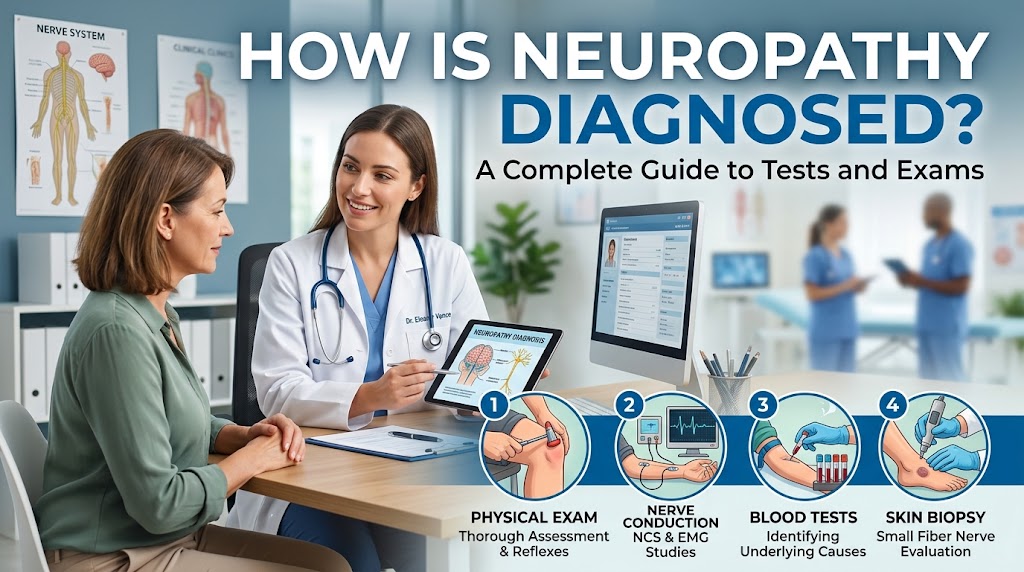
Neuropathy can cause symptoms such as numbness, tingling, burning, weakness, and pain, but these symptoms can have many different causes. Because of this, diagnosing neuropathy usually involves more than a single test. Healthcare professionals typically combine a medical history, physical examination, neurological evaluation, and, when necessary, laboratory or specialised nerve tests.
Understanding how neuropathy is diagnosed can help you know what to expect during an appointment and why different tests may be recommended.
In this complete guide, we’ll explain the common exams and tests used to diagnose peripheral neuropathy, how doctors look for its underlying cause, and when additional testing may be necessary.
What Is Neuropathy?
Click Here To Watch Video to Treat Neuropathy Disease Naturally!..
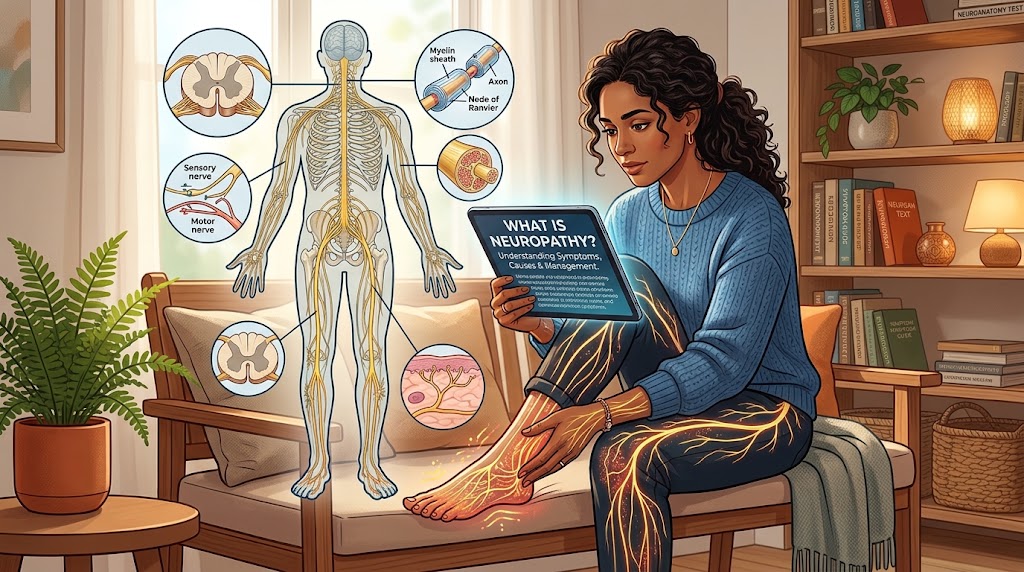
Neuropathy refers to a problem involving one or more nerves. When peripheral nerves are damaged or do not function properly, the condition is commonly called peripheral neuropathy.
Peripheral nerves connect the brain and spinal cord with the rest of the body. They help control movement and allow you to feel sensations such as touch, temperature, pressure, and pain.
Neuropathy can affect different types of nerves and may produce different symptoms.
Common symptoms include:
- Numbness or reduced sensation
- Tingling or pins-and-needles sensations
- Burning pain
- Sharp or shooting pain
- Increased sensitivity to touch
- Muscle weakness
- Balance difficulties
- Reduced ability to feel temperature
- Changes in walking
Because many conditions can cause similar symptoms, identifying the underlying cause is an important part of diagnosis.
Step 1: Medical History
The diagnostic process often begins with a detailed conversation about your symptoms and medical history.
Your healthcare professional may ask questions such as:
- When did your symptoms begin?
- Did they develop suddenly or gradually?
- Where do you feel the symptoms?
- Are both feet or both hands affected?
- Is the pain worse at night?
- Do you experience numbness or weakness?
- Have you noticed balance problems?
- Have your symptoms become worse over time?
- Do you have diabetes or another chronic condition?
- What medications and supplements do you take?
- Do you drink alcohol?
- Have you experienced an injury or infection?
The pattern of symptoms can provide important clues.
For example, symptoms that begin in the toes and gradually move upward may suggest a length-dependent peripheral neuropathy. Symptoms limited to one specific area may point toward nerve compression, an injury, or another localised problem.
Step 2: Physical Examination
After discussing your medical history, your healthcare professional may perform a physical examination.
The examination can include checking your:
- Muscle strength
- Reflexes
- Coordination
- Walking pattern
- Balance
- Skin condition
- Circulation
- Sensitivity to touch and pressure
Your feet may receive particular attention if you have symptoms involving the lower legs or feet.
The doctor may look for changes such as wounds, blisters, skin problems, muscle wasting, or other abnormalities.
A physical examination can help determine which nerves may be affected and whether additional testing is appropriate.
Step 3: Neurological Examination
A neurological examination is an important part of evaluating suspected neuropathy.
During this exam, a healthcare professional may assess different types of nerve function.
Sensory Testing
The doctor may test whether you can feel light touch, pressure, vibration, temperature, or a gentle pinprick.
Reduced sensation can indicate that sensory nerves are not functioning normally.
Reflex Testing
Reflexes, such as the ankle reflex, may be checked using a small reflex hammer.
Reduced or absent reflexes can sometimes occur with peripheral nerve problems.
Muscle Strength Testing
You may be asked to push or pull against resistance. This helps evaluate whether nerve damage is affecting muscle function.
Balance and Coordination
Your healthcare professional may observe how you stand and walk or perform simple coordination tests.
These assessments can provide additional information about how your nervous system is functioning.
Step 4: Mono filament Testing
A mono filament test is commonly used to assess protective sensation in the feet, particularly in people with diabetes.
During the test, a healthcare professional uses a thin filament to apply gentle pressure to specific areas of the foot.
You may be asked to indicate when you feel the filament touching your skin.
If you cannot feel pressure in certain areas, this may indicate reduced protective sensation.
This test is especially important because reduced sensation can increase the risk of unnoticed foot injuries.
A person with reduced sensation may not immediately notice a blister, cut, burn, or pressure injury.
Step 5: Vibration Testing
Vibration sensation may also be tested during a neurological examination.
A healthcare professional may use a vibrating instrument, such as a tuning fork, against specific areas of the body, often the toes or feet.
You may be asked when you first feel the vibration and when it stops.
Reduced vibration sensation can be a sign of peripheral nerve dysfunction.
This test is relatively simple and can provide useful information alongside other sensory examinations.
Step 6: Blood Tests
Blood tests may be recommended to look for conditions that can cause or contribute to neuropathy.
Depending on your symptoms and medical history, testing may evaluate factors such as:
- Blood glucose
- Long-term blood sugar control
- Vitamin levels
- Thyroid function
- Kidney function
- Liver function
- Blood cell counts
- Other metabolic or nutritional factors
Diabetes is a common cause of peripheral neuropathy, so blood glucose testing may be particularly relevant.
Vitamin deficiencies, thyroid problems, kidney disease, and other medical conditions can also produce nerve-related symptoms.
Blood tests therefore help doctors look beyond the symptoms themselves and investigate possible underlying causes.
Step 7: Nerve Conduction Studies
Nerve conduction studies, often called NCS, measure how electrical signals travel through peripheral nerves.
During the test, small electrical impulses are applied to a nerve through electrodes placed on the skin.
The equipment measures how quickly and effectively the nerve carries the signal.
Nerve conduction studies can help determine:
- Whether a nerve is damaged
- The severity of nerve dysfunction
- Whether sensory or motor nerves are affected
- Whether the problem involves peripheral nerves
- Whether the pattern suggests a particular type of nerve disorder
Some people find the electrical stimulation uncomfortable, but the test is generally brief.
NCS is frequently performed together with electromyography.
Step 8: Electromyography (EMG)
An electromyogram, commonly called an EMG, evaluates the electrical activity of muscles.
During an EMG, a healthcare professional places a very small needle electrode into selected muscles. The equipment records electrical activity while the muscle is relaxed and during contraction.
EMG and nerve conduction studies are often performed during the same appointment because they provide complementary information.
Together, these tests can help determine whether symptoms are related to nerve damage, muscle problems, nerve compression, or another condition.
Step 9: Imaging Tests
Imaging is not required for every person with suspected neuropathy.
However, imaging studies may be recommended when a healthcare professional suspects that a structural problem is affecting a nerve.
Depending on the situation, imaging may include:
- MRI scans
- CT scans
- X-rays
- Ultrasound
For example, imaging may be considered when symptoms suggest nerve compression caused by a spinal problem, disc abnormality, tumor, or another structural condition.
The choice of imaging depends on the symptoms and suspected cause.
Step 10: Autonomic Testing
Some neuropathies affect autonomic nerves, which control functions that occur automatically in the body.
These nerves help regulate processes such as:
- Heart rate
- Blood pressure
- Sweating
- Digestion
- Bladder function
- Sexual function
If autonomic neuropathy is suspected, specialized tests may be recommended.
Testing can vary depending on the symptoms and may evaluate heart rate responses, blood pressure changes, sweating, or other autonomic functions.
These tests are not necessary for everyone with peripheral neuropathy.
Step 11: Skin Biopsy
In certain cases, a small skin biopsy may be used to evaluate small nerve fibers.
This can be particularly useful when a person has symptoms suggestive of small-fiber neuropathy but routine nerve conduction studies do not show abnormalities.
During the procedure, a very small sample of skin is removed, usually from a specified area of the leg or another location.
The sample can then be examined for nerve fiber density.
A skin biopsy is a specialized test and is generally considered when other clinical findings and tests do not provide enough information.
Step 12: Genetic Testing
Genetic testing may be considered when a healthcare professional suspects an inherited form of neuropathy.
Clues that may lead to genetic evaluation can include:
- A strong family history of neuropathy
- Symptoms beginning at a relatively young age
- Long-standing unexplained nerve problems
- Physical findings suggesting an inherited neurological disorder
Not everyone with neuropathy needs genetic testing. A specialist can determine whether it is appropriate based on the individual’s history and examination.
Why Finding the Cause Matters
Click Here To Watch Video to Treat Neuropathy Disease Naturally!..
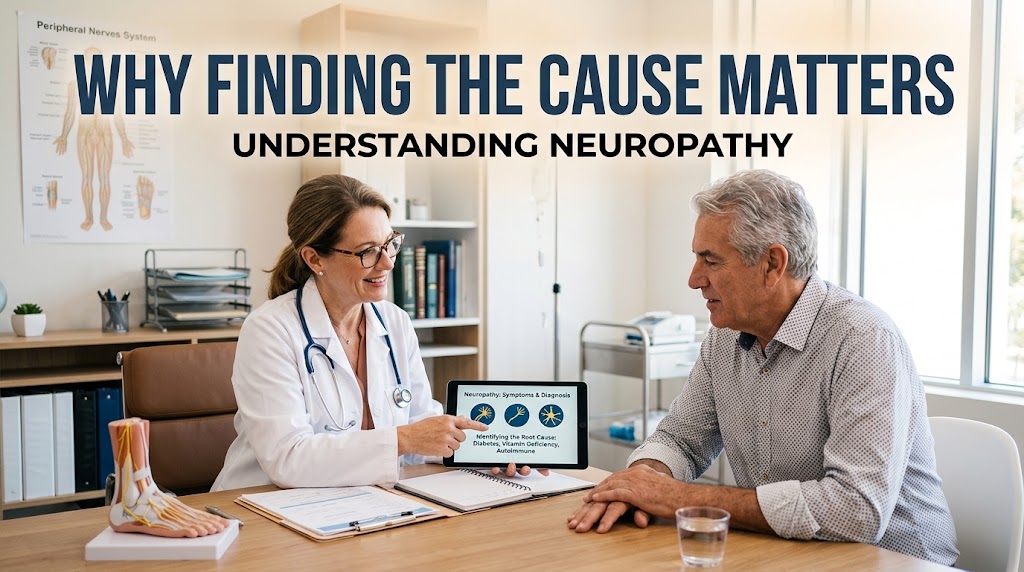
Diagnosing neuropathy is only part of the process. Doctors also try to determine why the neuropathy developed.
Possible causes include:
- Diabetes
- Vitamin deficiencies
- Alcohol-related nerve damage
- Certain medications
- Kidney disease
- Thyroid disorders
- Autoimmune diseases
- Infections
- Genetic conditions
- Nerve compression
- Certain cancers and cancer treatments
- Physical injuries
In some people, no clear cause is identified even after evaluation.
Finding an underlying cause can be important because treatment and management may depend on what is contributing to the nerve problem.
What Happens After a Neuropathy Diagnosis?
Click Here To Watch Video to Treat Neuropathy Disease Naturally!..
Once neuropathy has been diagnosed, your healthcare professional may recommend a management plan based on the underlying cause and severity of symptoms.
For example, someone with diabetes may need to focus on comprehensive diabetes management and foot care. A person with a nutritional deficiency may need treatment for the deficiency. Someone with nerve compression may require a different approach.
Treatment may also address symptoms such as neuropathic pain.
Regular foot care is particularly important when sensation is reduced. Checking your feet for cuts, blisters, redness, swelling, and other changes can help identify problems that might otherwise go unnoticed.
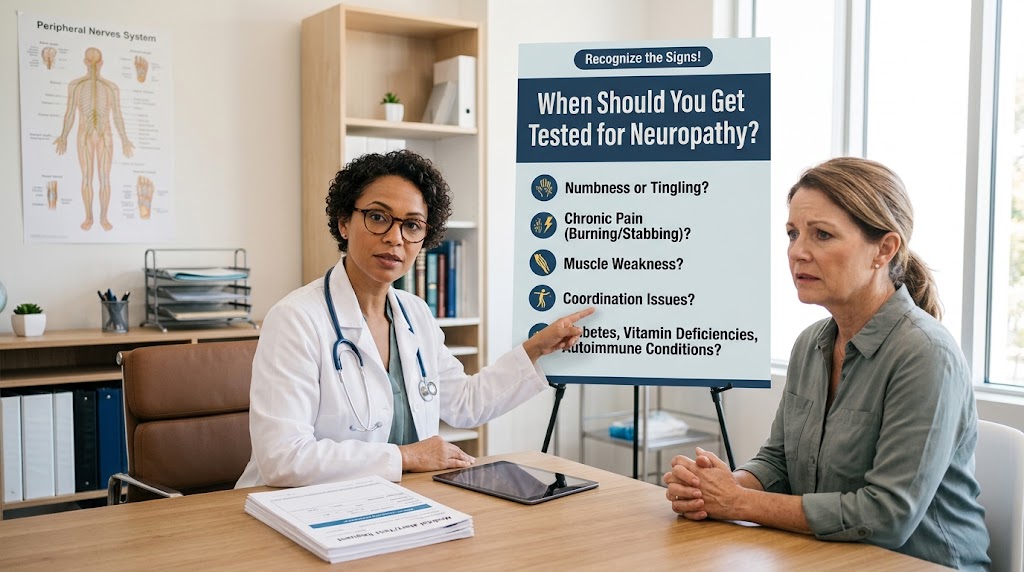
When Should You Get Tested for Neuropathy?
Click Here To Watch Video to Treat Neuropathy Disease Naturally!..
Consider talking with a healthcare professional if you have persistent or unexplained:
- Numbness
- Tingling
- Burning sensations
- Shooting or electric-like pain
- Muscle weakness
- Balance problems
- Reduced sensitivity to temperature
- Changes in your walking pattern
People with diabetes should also discuss appropriate nerve and foot screening with their healthcare team.
Sudden weakness, rapidly developing numbness, severe symptoms, or other sudden neurological changes may require urgent medical evaluation.
Final Thoughts
Understanding how neuropathy is diagnosed can make the evaluation process less confusing. There is usually no single test that confirms every type of neuropathy. Instead, healthcare professionals combine your medical history, physical and neurological examinations, and targeted tests based on your symptoms.
Common diagnostic tools include sensory and reflex testing, monofilament and vibration testing, blood tests, nerve conduction studies, and electromyography. In selected cases, doctors may use imaging, autonomic testing, skin biopsies, or genetic testing.
The goal is not only to determine whether nerve damage is present but also to identify a possible underlying cause.
If you experience persistent numbness, tingling, burning, pain, weakness, or balance problems, don’t ignore these symptoms. A qualified healthcare professional can determine whether neuropathy or another condition may be responsible and recommend appropriate next steps.