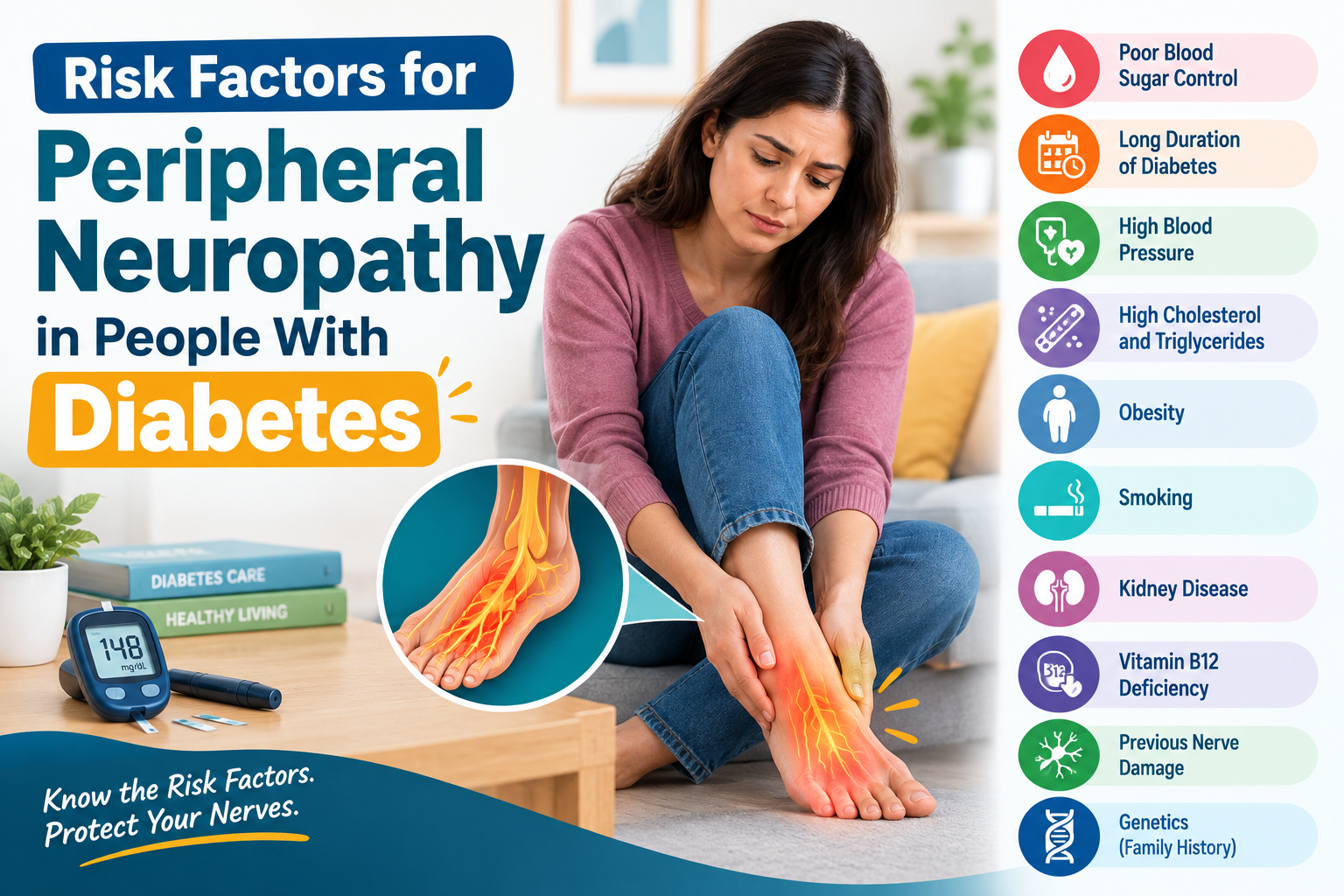
Peripheral neuropathy is one of the most common long-term complications associated with diabetes. It occurs when nerves outside the brain and spinal cord become damaged, often affecting the feet and legs first. Symptoms can include tingling, numbness, burning sensations, pain, weakness, and reduced sensitivity to temperature or injury.
Not everyone with diabetes develops peripheral neuropathy. However, certain factors can increase the likelihood of nerve damage over time. Understanding these risk factors for peripheral neuropathy in people with diabetes may help individuals recognize potential concerns, discuss them with their healthcare providers, and take steps to support overall nerve and foot health.
This article explores the major risk factors associated with diabetic peripheral neuropathy and explains why awareness and early attention to symptoms can be important.
What Is Diabetic Peripheral Neuropathy?
Click Here To Watch Video to Treat Neuropathy Disease Naturally!..
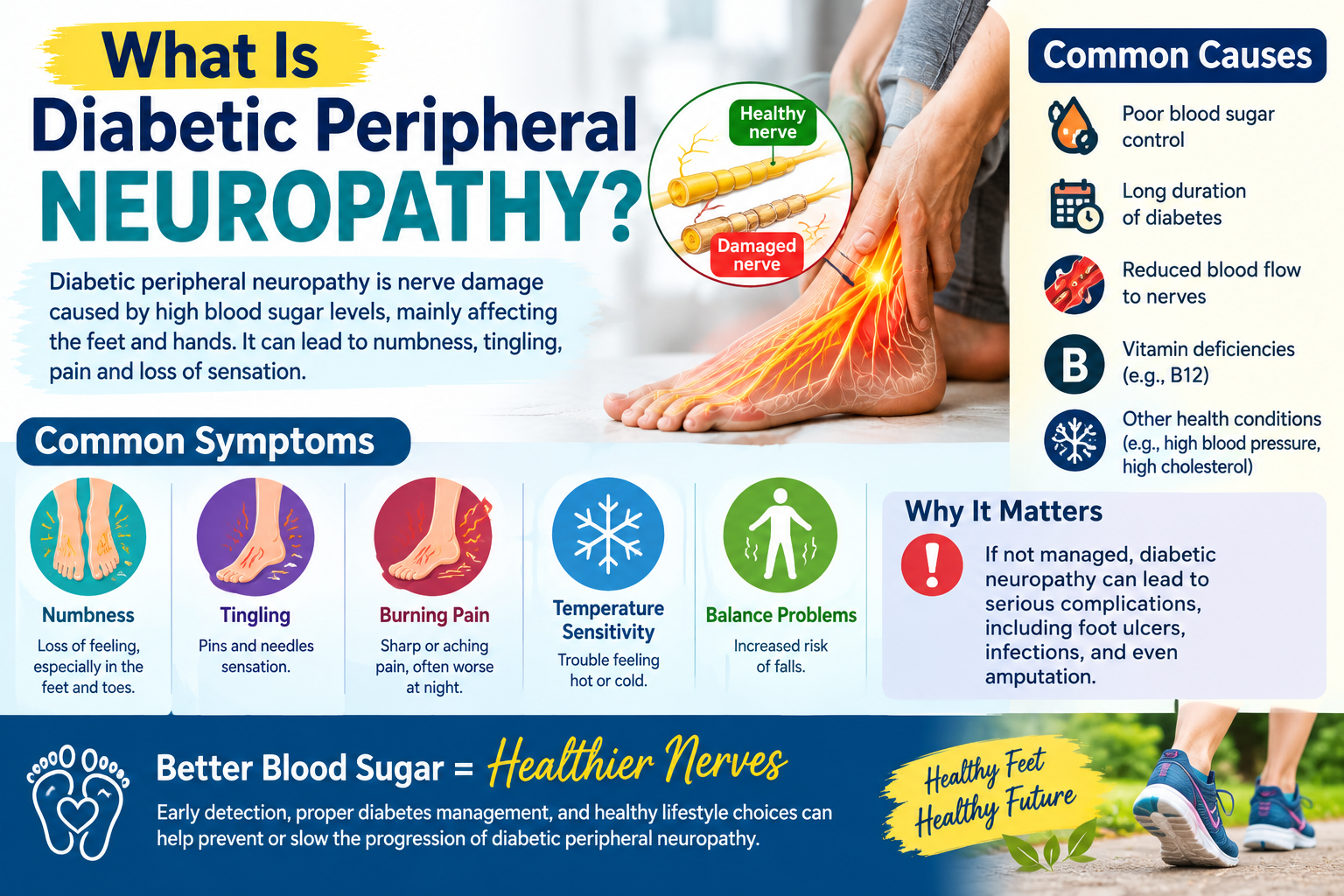
Diabetic peripheral neuropathy is a type of nerve damage associated with diabetes. It commonly affects the nerves responsible for sensation in the feet and legs, although other parts of the body can also be affected.
The peripheral nervous system carries messages between the brain, spinal cord, muscles, skin, and internal organs. When peripheral nerves are damaged, these messages may not travel normally.
As a result, a person may experience symptoms such as:
- Tingling or pins-and-needles sensations
- Numbness
- Burning sensations
- Sharp or shooting pain
- Increased sensitivity to touch
- Muscle weakness
- Balance problems
- Reduced ability to feel heat, cold, or injuries
Symptoms often begin gradually and may initially be easy to overlook. For this reason, understanding the factors that can increase the risk of neuropathy is an important part of diabetes management.
1. Long-Term High Blood Sugar Levels
One of the most important risk factors for peripheral neuropathy in people with diabetes is prolonged exposure to high blood sugar levels.
Over time, elevated blood glucose may contribute to nerve damage through several mechanisms. High blood sugar can affect the small blood vessels that supply oxygen and nutrients to nerves. It may also contribute to metabolic and inflammatory changes that can interfere with normal nerve function.
The risk may increase when blood sugar remains elevated for long periods.
However, blood sugar is only one part of the picture. Some people with diabetes may develop neuropathy despite making efforts to manage glucose levels, while others may not develop significant nerve problems. This is because several factors can influence nerve health.
Regular monitoring and working with a healthcare professional to develop an individualized diabetes management plan may help support overall health.
2. Having Diabetes for Many Years
The duration of diabetes is another important risk factor.
In general, the longer a person lives with diabetes, the more time there may be for diabetes-related changes to affect nerves and blood vessels. Peripheral neuropathy may therefore become more common as the duration of diabetes increases.
This does not mean that neuropathy only occurs after decades of diabetes. Some individuals may experience nerve-related symptoms earlier, particularly when other risk factors are present.
People who have lived with diabetes for many years may benefit from regular discussions with their healthcare providers about:
- Changes in sensation
- Foot health
- Balance
- Pain or burning sensations
- Numbness
- Mobility
Early recognition of symptoms can help ensure that potential nerve problems are evaluated appropriately.
3. Poorly Managed Blood Pressure
High blood pressure can affect blood vessels throughout the body, including the small blood vessels that help supply peripheral nerves.
When diabetes and high blood pressure occur together, the combined effects on the circulatory system may increase the risk of complications. Reduced blood flow can potentially affect the delivery of oxygen and nutrients needed for healthy nerve function.
Blood pressure management is therefore an important component of overall diabetes care.
People with diabetes should discuss their individual blood pressure goals with a qualified healthcare professional because recommended targets may vary depending on age, medical history, and other health factors.
4. High Cholesterol and Abnormal Blood Lipids
Abnormal cholesterol and triglyceride levels may also contribute to the risk of nerve problems.
High levels of certain blood lipids can contribute to changes in blood vessels and may affect circulation. Since peripheral nerves depend on a healthy supply of oxygen and nutrients, problems involving blood vessels may potentially influence nerve health.
Diabetes is often associated with other metabolic conditions, including abnormal cholesterol levels. Managing these factors as part of a broader health plan may be important.
Healthcare providers may recommend lifestyle changes, monitoring, or medications depending on a person’s individual health needs.
5. Smoking and Tobacco Use
Smoking is another potential risk factor for peripheral neuropathy in people with diabetes.
Tobacco use can negatively affect circulation and blood vessel health. Reduced circulation may make it more difficult for tissues, including nerves, to receive the oxygen and nutrients they need.
Smoking can also increase the risk of several diabetes-related complications.
For people with diabetes, avoiding tobacco products may support cardiovascular health and reduce risks associated with poor circulation. Anyone considering quitting smoking can speak with a healthcare professional about available support and treatment options.
6. Excess Body Weight and Metabolic Health
Excess body weight is associated with several health factors that may influence the risk of peripheral neuropathy.
Carrying excess weight can contribute to:
- Insulin resistance
- Increased inflammation
- High blood pressure
- Abnormal cholesterol levels
- Increased stress on the feet and joints
These factors may combine to affect metabolic and vascular health.
Weight management does not have to mean pursuing extreme or rapid changes. For many people, gradual improvements in physical activity, nutrition, and other lifestyle habits may support overall health.
A healthcare professional can help determine an approach that is safe and appropriate for an individual’s needs.
7. Physical Inactivity
Regular physical activity plays an important role in cardiovascular and metabolic health.
A sedentary lifestyle may contribute to risk factors such as insulin resistance, excess weight, high blood pressure, and poor circulation. These factors may indirectly affect the risk of nerve complications.
Appropriate physical activity can vary significantly from person to person. Walking, swimming, cycling, stretching, and strength exercises may be suitable for some individuals.
However, people who already have numbness, foot ulcers, severe pain, balance problems, or other complications should seek professional guidance before starting or significantly changing an exercise routine.
Choosing safe activities is particularly important when reduced sensation increases the risk of foot injuries.
8. Older Age
Age can also influence the risk of peripheral neuropathy.
As people get older, nerve function and circulation may change naturally. Older adults are also more likely to have lived with diabetes for a longer period and may have additional health conditions that affect nerve health.
However, neuropathy should not simply be dismissed as a normal part of aging.
New symptoms such as numbness, burning, weakness, or balance problems should be discussed with a healthcare professional regardless of age.
Identifying the cause of nerve symptoms is important because not all neuropathy in a person with diabetes is necessarily caused by diabetes.
9. Kidney Disease
Kidney problems can occur as a complication of diabetes and may also be associated with an increased risk of nerve damage.
The kidneys help remove waste products from the blood. When kidney function is significantly impaired, certain substances may accumulate and potentially contribute to nerve problems.
People with both diabetes and kidney disease may have multiple factors affecting nerve health.
Regular medical monitoring can help healthcare professionals assess kidney function and identify changes that may require further attention.
10. Vitamin Deficiencies
Certain vitamins play important roles in maintaining normal nerve function.
For example, deficiencies involving vitamins such as vitamin B12 may contribute to neurological symptoms, including numbness and tingling.
Vitamin deficiencies may occur for several reasons, including dietary patterns, digestive conditions, medications, or other health problems.
Because neuropathy symptoms can have multiple causes, it is important not to automatically assume that every case of numbness or tingling in a person with diabetes is caused solely by diabetes.
A healthcare professional may recommend appropriate testing when a vitamin deficiency or another underlying condition is suspected.
11. Alcohol Use
Heavy or long-term alcohol use may contribute to peripheral nerve damage.
Alcohol may affect nerves directly and can also contribute to nutritional deficiencies that affect nerve function.
When diabetes and significant alcohol use occur together, there may be multiple potential contributors to nerve symptoms.
Anyone concerned about alcohol use should consider speaking with a qualified healthcare professional for personalized support.
12. Existing Nerve Damage or Other Medical Conditions
Peripheral neuropathy can have many causes besides diabetes.
Certain conditions that may contribute to nerve problems include:
- Autoimmune conditions
- Certain infections
- Thyroid disorders
- Liver disease
- Kidney disease
- Nutritional deficiencies
- Genetic conditions
- Nerve compression or injuries
In some cases, more than one factor may contribute to a person’s symptoms.
This is why a proper medical evaluation is important. Assuming that every nerve symptom is caused by diabetes could delay the identification of another treatable condition.
13. Foot Injuries and Reduced Protective Sensation
Once neuropathy begins, reduced sensation can increase the risk of repeated foot injuries.
A person may not notice:
- Cuts
- Blisters
- Splinters
- Pressure points
- Burns
- Foreign objects inside shoes
Repeated injuries and pressure can lead to more serious foot problems, particularly when circulation is also affected.
Regular foot inspections can be helpful for people with diabetes. Looking at the tops, bottoms, and sides of the feet may help identify changes that cannot be felt.
A mirror may help with checking the bottoms of the feet if bending is difficult.
How to Recognize Possible Early Symptoms

Click Here To Watch Video to Treat Neuropathy Disease Naturally!..
Peripheral neuropathy can develop gradually. Early symptoms may include:
- Mild tingling in the toes
- Pins-and-needles sensations
- Burning feelings
- Numbness
- Unexplained pain
- Increased sensitivity to touch
- Feeling as though you are wearing socks when barefoot
- Difficulty sensing hot or cold temperatures
- Changes in balance
Symptoms may begin in the toes and gradually spread to the feet and legs.
Not everyone experiences neuropathy in the same way. Some people primarily experience pain, while others may have little pain but significant numbness.
Any persistent change in sensation should be discussed with a healthcare professional.
Can Peripheral Neuropathy Risk Be Reduced?

Click Here To Watch Video to Treat Neuropathy Disease Naturally!..
Not every case of diabetic peripheral neuropathy can be prevented. However, managing factors associated with overall nerve and vascular health may help reduce risk or slow the progression of complications.
Potential areas to discuss with a healthcare professional include:
Blood Sugar Management
Maintaining an individualized diabetes management plan may help support long-term health.
Blood Pressure Management
Keeping blood pressure within a range recommended by your healthcare provider can support blood vessel health.
Cholesterol Management
Monitoring and managing abnormal blood lipid levels may support cardiovascular health.
Physical Activity
Appropriate regular movement can support circulation, metabolism, and overall well-being.
Healthy Nutrition
A balanced diet can support general health and help provide nutrients needed for normal body functions.
Avoiding Tobacco
Avoiding smoking and tobacco products can benefit circulation and cardiovascular health.
Regular Foot Care
Checking the feet regularly and wearing properly fitting footwear may help reduce the risk of injuries.
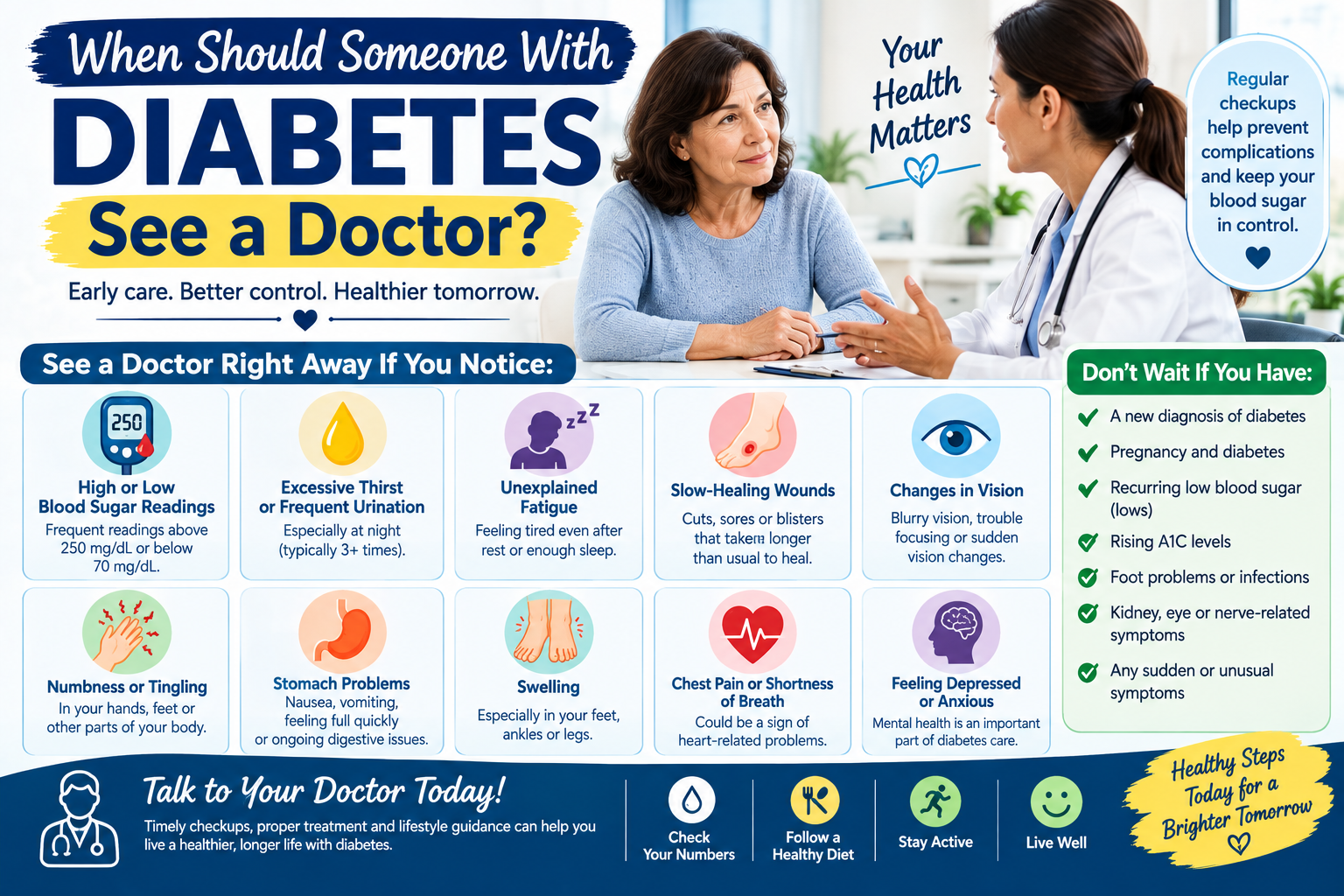
When Should Someone With Diabetes See a Doctor?
Click Here To Watch Video to Treat Neuropathy Disease Naturally!..
People with diabetes should consider speaking with a healthcare professional if they experience persistent or worsening:
- Numbness
- Tingling
- Burning sensations
- Shooting pain
- Weakness
- Loss of balance
- Changes in walking
- Reduced ability to feel temperature
- Foot injuries that are not noticed immediately
Prompt medical attention may be especially important for sudden weakness, rapidly worsening symptoms, severe pain, or signs of a serious foot problem.
Final Thoughts
Several factors can increase the risk of peripheral neuropathy in people with diabetes. Long-term high blood sugar, longer duration of diabetes, high blood pressure, abnormal cholesterol levels, smoking, physical inactivity, kidney disease, vitamin deficiencies, alcohol use, and other health conditions can all potentially influence nerve health.
The most important thing to remember is that neuropathy often develops gradually. Early symptoms such as tingling, numbness, burning, or unusual sensations in the feet should not be ignored.
Regular diabetes care, attention to cardiovascular and metabolic health, routine foot checks, and early communication with healthcare professionals may all play a role in protecting nerve and foot health.
Because peripheral neuropathy can have multiple causes, a proper medical evaluation is important for anyone experiencing persistent or worsening symptoms.