
Peripheral neuropathy can affect the way you feel and move. Symptoms such as numbness, tingling, burning, weakness, and shooting pain commonly affect the hands and feet. While diet cannot guarantee that damaged nerves will heal, eating a balanced, nutrient-rich diet may support overall nerve health and help manage some of the conditions associated with neuropathy.
For people with diabetes, for example, maintaining healthy blood glucose levels is an important part of reducing the risk of nerve complications. For others, neuropathy may be associated with nutritional deficiencies, alcohol use, certain medications, or other medical conditions.
So, what is the best diet for peripheral neuropathy? There is no single diet that works for everyone. However, building meals around nutrient-dense foods can provide vitamins, minerals, healthy fats, fiber, and protein that support normal body functions.
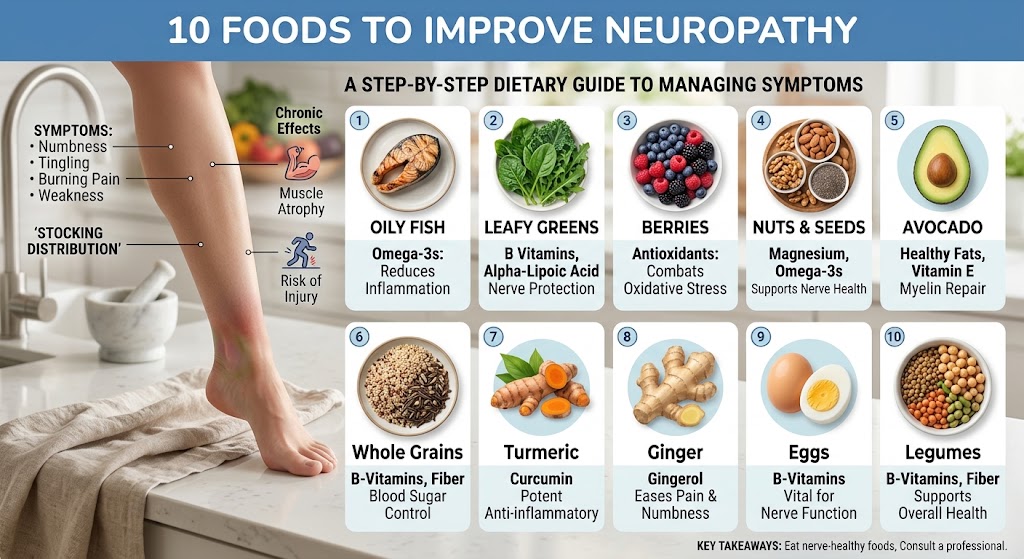
Below are 10 foods that may support nerve health, along with practical tips for including them in your diet.
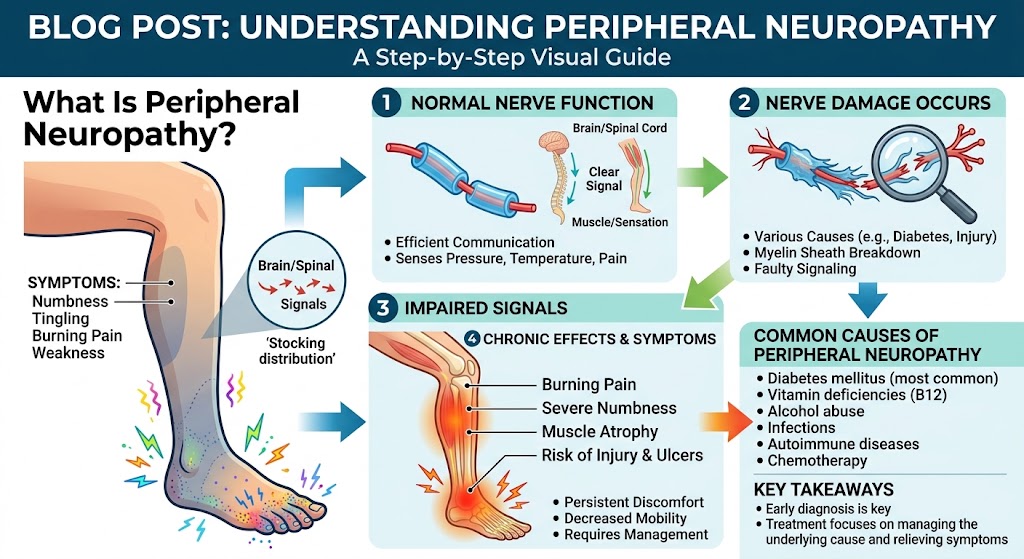
What Is Peripheral Neuropathy?
Click Here To Watch Video to Treat Neuropathy Disease Naturally!..
Peripheral neuropathy occurs when nerves outside the brain and spinal cord become damaged or function abnormally.
The feet and legs are frequently affected first. Some people may experience:
- Tingling or pins-and-needles sensations
- Numbness
- Burning pain
- Sharp or shooting pain
- Increased sensitivity to touch
- Muscle weakness
- Balance difficulties
- Reduced ability to sense heat or cold
There are many possible causes of peripheral neuropathy. Diabetes is a common cause, but nutritional deficiencies, alcohol use, certain medications, infections, autoimmune disorders, kidney problems, and other conditions can also contribute.
Because the cause matters, dietary changes should be considered part of an overall health plan rather than a replacement for medical evaluation or treatment.
Click Here To Watch Video to Treat Neuropathy Disease Naturally!..
1. Fatty Fish
Fatty fish are among the most useful foods to include in a nerve-supportive eating pattern.
Examples include:
- Salmon
- Sardines
- Mackerel
- Trout
- Herring
These fish provide omega-3 fatty acids, as well as high-quality protein and other nutrients.
Omega-3 fatty acids are important components of a healthy diet and are involved in many processes throughout the body. Eating fish regularly can also provide an alternative to highly processed or less nutrient-dense protein sources.
Try adding grilled salmon to a salad, baked trout with vegetables, or sardines to whole-grain toast.
If you do not eat fish, other foods can provide different types of healthy fats.
2. Leafy Green Vegetables
Leafy greens are packed with vitamins, minerals, fiber, and other plant compounds.
Good choices include:
- Spinach
- Kale
- Collard greens
- Swiss chard
- Mustard greens
- Lettuce
These vegetables can contribute folate, magnesium, vitamin K, and other nutrients to your diet.
A simple way to increase your intake is to add spinach to eggs, soups, or smoothies. You can also use leafy greens as the base of a salad or serve cooked vegetables alongside lunch or dinner.
Eating a variety of vegetables is generally more beneficial than relying on a single “superfood.”
3. Eggs
Eggs are a convenient source of protein and provide several vitamins and minerals.
They also contain vitamin B12, which is important for normal neurological function. A deficiency of vitamin B12 can cause neurological symptoms, including numbness and tingling, in some people.
However, eating eggs will not correct every case of neuropathy, and dietary needs vary between individuals.
If you have unexplained nerve symptoms, a healthcare professional may determine whether nutritional deficiencies should be evaluated.
For a balanced breakfast, combine eggs with vegetables and a source of whole grains rather than relying on highly processed breakfast foods.
4. Nuts and Seeds
Nuts and seeds can provide healthy fats, protein, fiber, magnesium, and other nutrients.
Good options include:
- Almonds
- Walnuts
- Pistachios
- Pumpkin seeds
- Chia seeds
- Flaxseeds
Walnuts and flaxseeds are also sources of plant-based omega-3 fatty acids.
Because nuts and seeds are energy-dense, reasonable portions can be helpful, particularly if you are trying to manage your weight or blood sugar.
Try adding a small amount of nuts to oatmeal or yogurt, or sprinkle chia or ground flaxseed over a salad.
Choose minimally processed varieties when possible and be cautious with products containing large amounts of added sugar or salt.
5. Beans and Lentils
Beans and lentils are affordable, versatile foods that can fit into many healthy eating patterns.
They provide:
- Plant-based protein
- Fiber
- Folate
- Magnesium
- Iron
- Other nutrients
The fiber in beans and lentils can also help make meals more filling and may support healthy blood glucose management.
For people with diabetes, choosing high-fiber carbohydrate sources may be useful as part of an individualized eating plan.
Examples include:
- Lentils
- Chickpeas
- Kidney beans
- Black beans
- Pinto beans
Add lentils to soups, chickpeas to salads, or beans to vegetable-based meals.
6. Avocados
Avocados contain healthy unsaturated fats, fiber, potassium, and several other nutrients.
Their combination of healthy fats and fiber can make them a satisfying addition to meals.
You can add avocado to:
- Salads
- Whole-grain toast
- Vegetable bowls
- Bean dishes
- Eggs
Avocados are nutritious, but portion size still matters because they are relatively high in calories.
The goal is not to eat large quantities of one food. Instead, incorporate a variety of nutrient-rich foods into your overall diet.
7. Berries
Berries can provide fiber and a variety of plant compounds while offering a naturally sweet alternative to many processed desserts.
Examples include:
- Blueberries
- Strawberries
- Raspberries
- Blackberries
They can be added to oatmeal, plain yogurt, or smoothies.
If you have diabetes, remember that berries still contain carbohydrates. However, pairing them with protein or healthy fats may make them a more balanced snack or meal component.
Fresh or frozen berries without added sugar are generally convenient choices.
8. Whole Grains
Whole grains contain more of the grain’s natural components than refined grains and can provide fiber, vitamins, minerals, and other nutrients.
Examples include:
- Oatmeal
- Brown rice
- Barley
- Quinoa
- Whole-grain bread
- Whole-grain pasta
For people managing diabetes, replacing some refined carbohydrates with higher-fiber whole-grain choices may help support overall blood glucose management when incorporated into an appropriate eating pattern.
Try replacing white rice with brown rice or another whole grain, or choose oatmeal instead of highly processed breakfast cereals.
Individual carbohydrate needs vary, particularly for people taking diabetes medications, so personalized guidance can be helpful.
9. Colourful Vegetables
A wide variety of vegetables can help provide the nutrients needed for overall health.
Consider including vegetables such as:
- Bell peppers
- Broccoli
- Carrots
- Tomatoes
- Cauliflower
- Brussels sprouts
- Eggplant
Different vegetables contain different combinations of vitamins, minerals, fiber, and plant compounds.
Instead of focusing exclusively on one food for nerve health, aim for variety and colour.
A simple approach is to fill a substantial portion of your meals with non-starchy vegetables while including an appropriate source of protein and carbohydrate.
10. Plain Yogurt and Other Nutrient-Rich Dairy Foods
Plain yogurt can provide protein, calcium, and other nutrients. Some varieties also provide vitamin B12.
Choose plain yogurt when possible and add berries, nuts, or seeds for additional nutrients and flavor.
Other dairy foods can also fit into a balanced eating pattern, depending on your dietary needs and tolerance.
If you avoid dairy, fortified alternatives may provide some similar nutrients. Check nutrition labels because nutrient content varies considerably between products.
Nutrients That Matter for Nerve Health

Click Here To Watch Video to Treat Neuropathy Disease Naturally!..
Rather than focusing only on individual foods, it is useful to understand some nutrients associated with normal nerve function.
Vitamin B12
Vitamin B12 is essential for normal neurological function. A deficiency can cause neurological symptoms and should be addressed appropriately.
Sources include fish, eggs, dairy products, meat, and fortified foods.
People following strict vegan diets may need to pay particular attention to obtaining adequate B12 from fortified foods or supplements as recommended by a healthcare professional.
Folate
Folate is another important nutrient involved in normal cellular processes. Leafy greens, beans, peas, and other foods can provide folate.
Magnesium
Magnesium is involved in numerous functions throughout the body. Nuts, seeds, beans, whole grains, and leafy vegetables are useful dietary sources.
Omega-3 Fatty Acids
Fatty fish provide EPA and DHA, two types of omega-3 fatty acids. Plant foods such as flax seeds and walnuts provide ALA.
A varied diet can help provide different types of healthy fats.
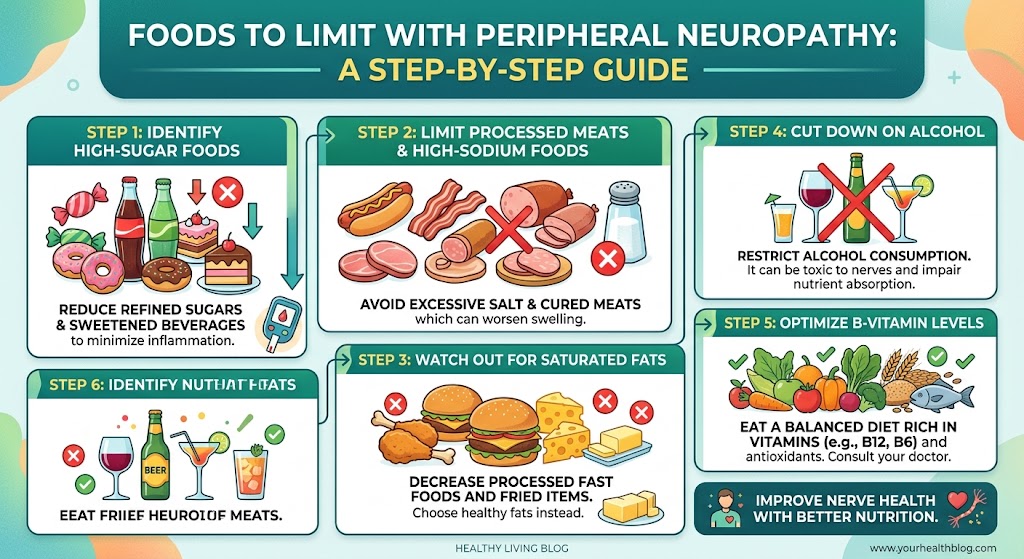
Foods to Limit With Peripheral Neuropathy
Click Here To Watch Video to Treat Neuropathy Disease Naturally!..
There is no universal “neuropathy food ban.” However, reducing highly processed foods may help support overall health.
Consider limiting excessive amounts of:
- Added sugars
- Sugary beverages
- Highly refined carbohydrates
- Highly processed snacks
- Excess sodium
- Excessive alcohol
For people with diabetes, frequent consumption of foods and drinks high in added sugar can make blood glucose management more difficult.
Alcohol is also particularly important to consider because heavy alcohol use can contribute to nerve damage and nutritional problems.
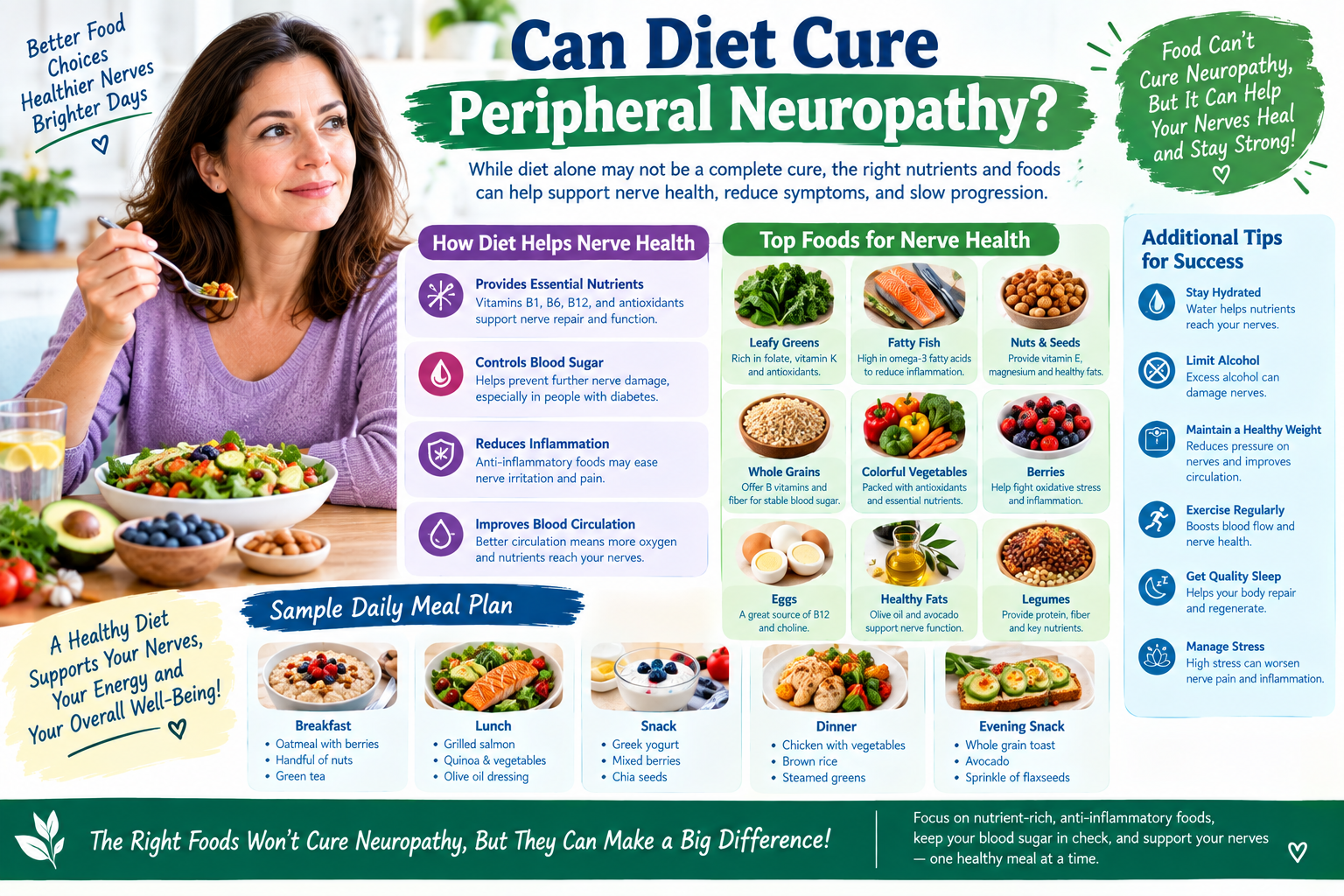
Can Diet Cure Peripheral Neuropathy?
Click Here To Watch Video to Treat Neuropathy Disease Naturally!..
Diet alone cannot be guaranteed to cure peripheral neuropathy.
The potential for improvement depends largely on the underlying cause. If neuropathy is related to a nutritional deficiency, correcting that deficiency may be an important part of treatment. If diabetes is contributing to nerve damage, comprehensive diabetes management is important.
Some types of nerve damage may not be reversible.
For this reason, food should be viewed as one part of an overall approach to health rather than a replacement for medical care.
Should You Take Supplements?
It may be tempting to take supplements marketed as “nerve support” products.
However, supplements are not automatically safe or effective simply because they are labelled natural.
Some nutrients can cause harm when taken in excessive amounts. For example, excessive vitamin B6 intake can itself cause nerve damage.
If you suspect a vitamin deficiency, talk with a healthcare professional about appropriate testing rather than taking high-dose supplements on your own.
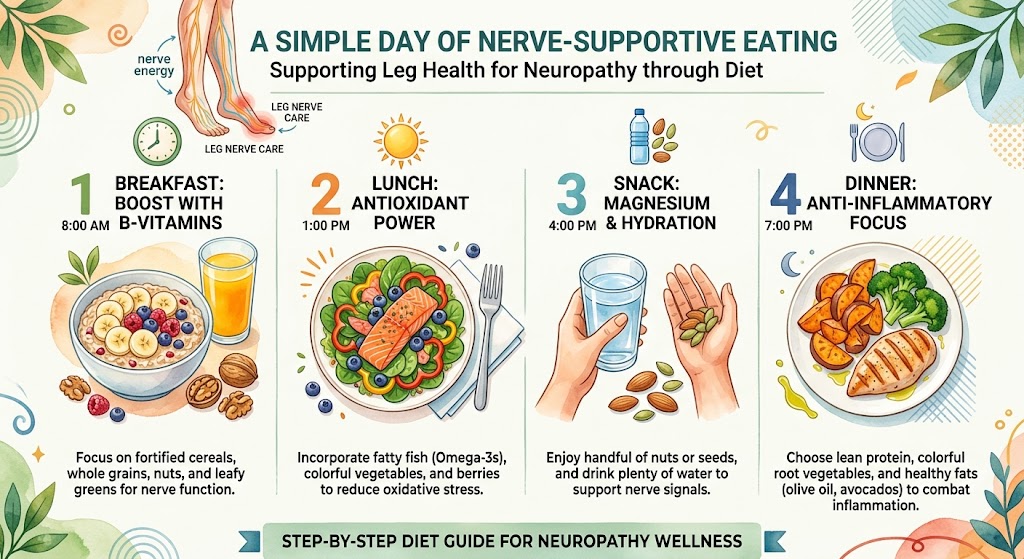
A Simple Day of Nerve-Supportive Eating
Click Here To Watch Video to Treat Neuropathy Disease Naturally!..
A balanced day might look something like this:
Breakfast:
Eggs with spinach and whole-grain toast, plus a serving of berries.
Lunch:
Lentil or chickpea salad with colourful vegetables and avocado.
Snack:
Plain yogurt with berries and a small portion of nuts.
Dinner:
Grilled salmon with broccoli and a serving of brown rice or another whole grain.
Drinks:
Water or other unsweetened beverages.
This is only an example. Your calorie, carbohydrate, protein, and nutrient requirements depend on your individual health needs.
When Should You Talk to a Healthcare Professional?

Click Here To Watch Video to Treat Neuropathy Disease Naturally!..
If you have persistent numbness, tingling, burning pain, weakness, or changes in sensation, do not rely on dietary changes alone.
A healthcare professional can help determine whether neuropathy is present and investigate possible causes.
You should also seek medical advice if you develop:
- A foot wound that does not heal
- Significant swelling or redness
- New muscle weakness
- Major balance problems
- Rapidly worsening symptoms
- Sudden neurological changes
People with diabetes should pay particular attention to foot health because reduced sensation can make injuries difficult to detect.
Final Thoughts
The best diet for peripheral neuropathy is not necessarily a specific restrictive diet. Instead, it is generally a balanced eating pattern that provides a variety of nutrient-dense foods.
Fatty fish, leafy greens, eggs, nuts and seeds, beans, lentils, avocados, berries, whole grains, colorful vegetables, and nutrient-rich dairy or fortified alternatives can all contribute valuable nutrients to an overall healthy diet.
Good nutrition may support general health and can be particularly important when diabetes, nutritional deficiencies, or other conditions are contributing to nerve problems. However, food alone should not be considered a cure for neuropathy.
If you have persistent neuropathy symptoms, work with a qualified healthcare professional to identify the underlying cause and develop an appropriate treatment and nutrition plan.