
Neuropathy pain can be difficult to manage. Burning, tingling, numbness, stabbing sensations, and electric-shock-like pain can interfere with walking, daily activities, relaxation, and sleep. While treatment depends on the underlying cause, some lifestyle and self-care approaches may help people manage symptoms alongside appropriate medical care.
If you are looking for natural ways to relieve neuropathy pain, it is important to understand that no single remedy works for everyone. Peripheral neuropathy can have many causes, including diabetes, vitamin deficiencies, certain medications, alcohol use, infections, and other medical conditions. Treating the underlying cause is an important part of managing neuropathy.
Below are 10 approaches that may help support comfort, mobility, and overall nerve health.
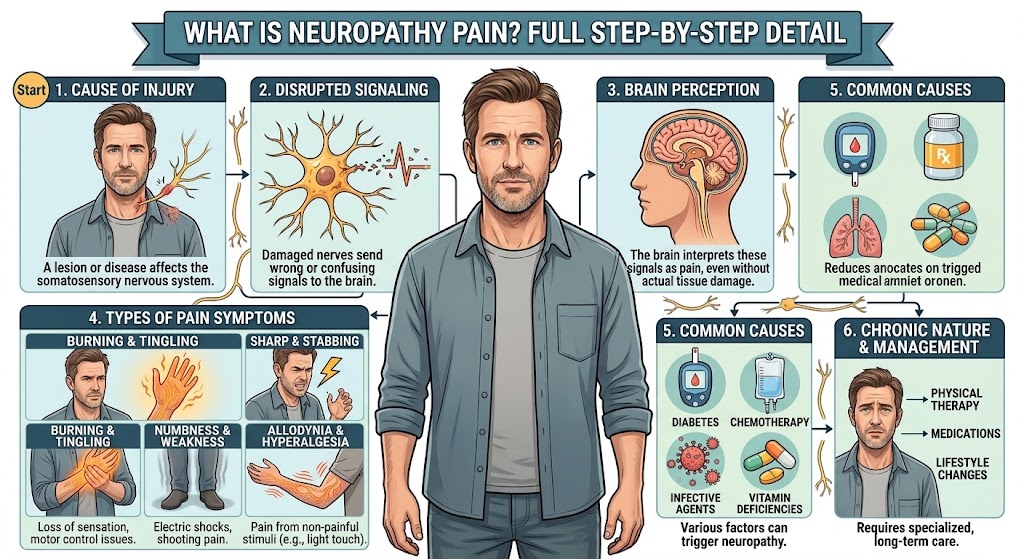
What Is Neuropathy Pain?
Click Here To Watch Video to Treat Neuropathy Disease Naturally!..
Peripheral neuropathy occurs when nerves outside the brain and spinal cord become damaged or function abnormally. The feet and legs are commonly affected, although neuropathy can involve the hands and other areas.
People may experience:
- Burning or aching pain
- Tingling or pins-and-needles sensations
- Numbness
- Sharp or shooting pain
- Increased sensitivity to touch
- Muscle weakness
- Balance problems
- Reduced ability to sense temperature
The type and severity of symptoms vary from person to person.

Click Here To Watch Video to Treat Neuropathy Disease Naturally!..
Before trying natural remedies, it is important to understand what may be causing your neuropathy. A healthcare professional can help evaluate your symptoms and determine whether additional testing or treatment is needed.
1. Maintain Healthy Blood Sugar Levels
For people with diabetes, managing blood glucose is one of the most important ways to support long-term nerve health.
Persistently elevated blood sugar can contribute to nerve damage and increase the risk of diabetic peripheral neuropathy. Following your diabetes management plan may therefore be an important part of managing neuropathy symptoms.
Helpful habits may include:
- Monitoring blood glucose as recommended
- Taking prescribed diabetes medications
- Eating balanced meals
- Staying physically active when appropriate
- Attending regular medical appointments
Blood sugar targets are individualized, so follow the recommendations provided by your healthcare professional.
Natural remedies should not be used as a substitute for prescribed diabetes treatment. If you have diabetes and neuropathy symptoms, discuss your symptoms with your healthcare team.
2. Engage in Gentle Regular Exercise
Physical activity may help support circulation, mobility, muscle strength, and overall health.
Depending on your condition and physical abilities, activities such as walking, swimming, cycling, stretching, or low-impact exercises may be appropriate.
Exercise may also help address some conditions associated with neuropathy, including diabetes, excess weight, and cardiovascular risk factors.
If you have significant numbness or weakness in your feet, balance problems, or foot wounds, speak with a healthcare professional before starting a new exercise program.
Start gradually and choose activities that reduce the risk of falls or foot injuries.
3. Follow a Balanced, Nutrient-Rich Diet
Good nutrition provides the body with nutrients needed for normal nerve function and overall health.
A balanced eating pattern can include:
- Vegetables and fruits
- Whole grains
- Beans and legumes
- Nuts and seeds
- Fish or other protein sources
- Healthy sources of fats
- Adequate fluids
Certain nutritional deficiencies can contribute to neuropathy. Vitamin B12 deficiency, for example, can cause neurological symptoms in some people.
However, taking high doses of vitamins without medical advice is not necessarily beneficial and can sometimes be harmful. If a nutritional deficiency is suspected, a healthcare professional can recommend appropriate testing and treatment.
4. Limit or Avoid Alcohol
Heavy or long-term alcohol use can contribute to peripheral nerve damage. Alcohol may affect nerves directly and can also contribute to nutritional problems that affect nerve function.
If alcohol is contributing to your neuropathy, reducing or avoiding it may be an important part of managing the condition.
People who drink heavily should speak with a healthcare professional before stopping suddenly, because withdrawal can sometimes be dangerous.
If you are concerned about your alcohol intake, professional support can make the process safer and more manageable.
5. Try Gentle Massage
Some people find gentle massage relaxing when they experience discomfort in their feet or legs.
Massage may help promote relaxation and temporarily reduce the perception of discomfort for some individuals. It can also help relieve muscle tension that may occur alongside chronic pain.
However, caution is important when neuropathy has caused reduced sensation.
Avoid vigorous massage over:
- Open wounds
- Blisters
- Infected areas
- Significant swelling
- Areas with unexplained skin changes
If you have diabetes and reduced sensation in your feet, ask your healthcare professional whether massage is appropriate for you.
Massage should be considered a comfort measure rather than a treatment that repairs damaged nerves.
6. Practice Gentle Stretching and Mobility Exercises
Stiff muscles and limited mobility can make chronic discomfort harder to manage.
Gentle stretching may help maintain flexibility and make everyday movement more comfortable. Simple exercises involving the ankles, calves, feet, and legs may be useful for some people.
For example, you might gently:
- Move your ankles up and down
- Rotate your ankles
- Stretch your calves
- Move your toes
- Perform controlled leg movements
Avoid stretching to the point of pain.
If neuropathy causes significant weakness, balance problems, or loss of sensation, consider getting guidance from a physical therapist or healthcare professional before beginning a new routine.
7. Prioritize Quality Sleep
Neuropathy pain can make it difficult to fall asleep or stay asleep. Unfortunately, poor sleep can also make pain feel more difficult to manage.
Developing consistent sleep habits may help improve your overall ability to cope with chronic discomfort.
Consider:
- Going to bed and waking up at consistent times
- Keeping your bedroom comfortable and quiet
- Limiting stimulating activities before bedtime
- Practicing relaxation techniques
- Avoiding excessive caffeine late in the day
If pain regularly wakes you at night, discuss it with a healthcare professional. Persistent nighttime pain may require evaluation and a broader treatment plan.
8. Practice Relaxation and Stress-Management Techniques
Chronic pain and stress can reinforce one another. While relaxation techniques do not repair damaged nerves, they may help some people manage the emotional and physical burden of persistent pain.
Potential approaches include:
- Deep breathing
- Meditation
- Gentle yoga
- Progressive muscle relaxation
- Mindfulness exercises
- Guided relaxation
Even a few minutes of quiet breathing or relaxation each day may help some people develop better coping strategies.
If pain is affecting your mood, sleep, work, or relationships, consider discussing this with a healthcare professional.
9. Protect Your Feet Every Day
Foot protection is particularly important when neuropathy causes numbness or reduced sensation.
You may not notice an injury if you cannot feel pain normally. A small blister or cut can therefore become a significant problem if it goes unnoticed.
Good foot-care habits include:
- Checking your feet regularly
- Wearing properly fitting shoes
- Avoiding walking barefoot
- Keeping feet clean and dry
- Checking the inside of your shoes before putting them on
- Protecting your feet from extreme temperatures
- Seeking medical attention for wounds that do not heal
If you have diabetes, ask your healthcare professional about appropriate foot examinations and preventive care.
Foot protection may not directly relieve neuropathy pain, but it can help prevent additional injuries and complications.
10. Consider Complementary Therapies With Professional Guidance
Some people explore complementary approaches such as acupuncture, yoga, tai chi, or other mind-body practices when managing chronic neuropathy symptoms.
Evidence varies considerably depending on the specific therapy, the cause of neuropathy, and the individual.
If you are interested in a complementary therapy, discuss it with a qualified healthcare professional, particularly if you take medications or have other medical conditions.
It is also important to be cautious about products marketed as “natural nerve cures.” Claims that a supplement can completely reverse neuropathy are often not supported by strong evidence.
Natural does not automatically mean safe. Some supplements can interact with medications or cause side effects.
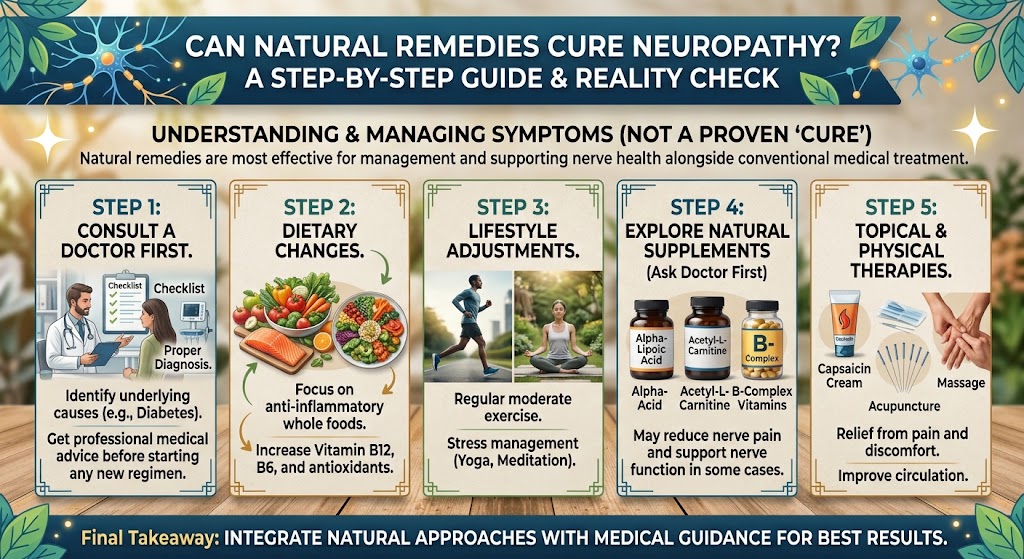
Can Natural Remedies Cure Neuropathy?
Click Here To Watch Video to Treat Neuropathy Disease Naturally!..
Natural approaches may help some people manage symptoms or support general health, but they should not be viewed as guaranteed cures.
Whether neuropathy improves depends heavily on its underlying cause.
For example, addressing a nutritional deficiency may help when that deficiency is responsible for nerve symptoms. Managing diabetes is important for people with diabetic neuropathy. In other cases, nerve damage may be caused by medications, alcohol, autoimmune conditions, inherited disorders, or other problems requiring specific treatment.
The best approach is usually to combine appropriate medical care with healthy lifestyle and self-care strategies.
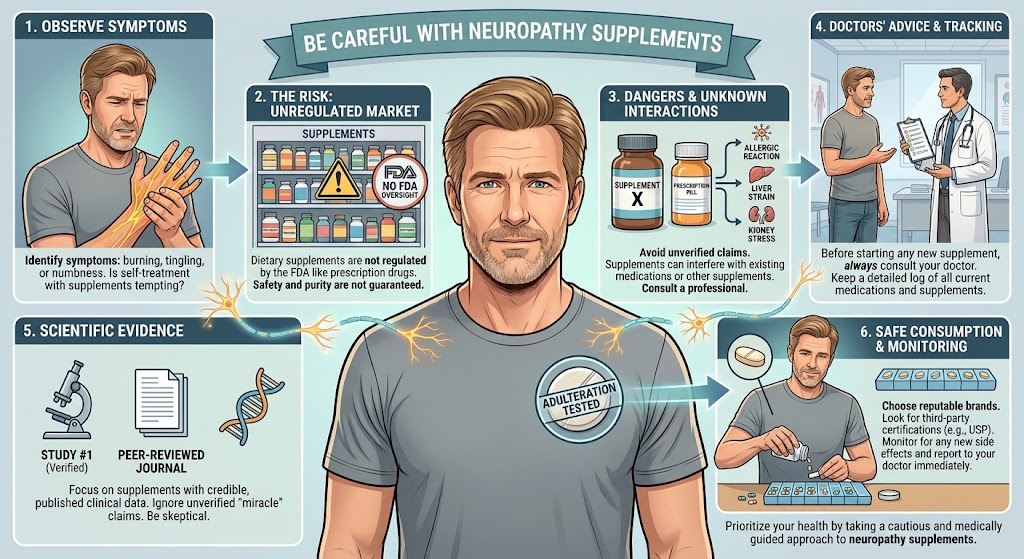
Be Careful With Neuropathy Supplements
Click Here To Watch Video to Treat Neuropathy Disease Naturally!..
The internet contains many supplements marketed for nerve pain. Products may claim to “repair nerves,” “reverse neuropathy,” or provide rapid relief.
It is important to approach these claims carefully.
Before taking a supplement, consider:
- Does research support its use?
- Could it interact with your medications?
- Is the dose appropriate?
- Could excessive intake cause harm?
- Has a healthcare professional recommended it?
Certain nutrients can cause problems when taken in excessive amounts. For example, too much vitamin B6 can itself cause nerve damage.
Never assume that taking more of a vitamin will provide more benefit.
When Should You See a Healthcare Professional?

Click Here To Watch Video to Treat Neuropathy Disease Naturally!..
Natural approaches should complement—not replace—medical evaluation when neuropathy symptoms are persistent or worsening.
Speak with a healthcare professional if you experience:
- Persistent numbness or tingling
- Burning or shooting pain
- New muscle weakness
- Difficulty walking
- Frequent falls
- Loss of balance
- Significant changes in sensation
- Foot wounds or sores
- Symptoms that are rapidly worsening
Sudden weakness, sudden loss of sensation, severe symptoms, or other sudden neurological changes require prompt medical assessment.
A healthcare professional can determine whether neuropathy is present and investigate possible causes.
Final Thoughts
Finding effective natural ways to relieve neuropathy pain may take time because neuropathy affects people differently. Gentle exercise, balanced nutrition, good sleep, stress management, foot protection, and avoiding excessive alcohol may support overall health and help some people manage symptoms.
However, natural remedies cannot replace diagnosis and treatment of the underlying cause. If you have diabetes, nutritional deficiencies, medication-related neuropathy, or another condition, addressing that cause is an important part of care.
Before starting supplements, intensive exercise, massage, or other complementary therapies, consider discussing them with a qualified healthcare professional.
With appropriate medical care and healthy daily habits, many people can take meaningful steps toward managing neuropathy symptoms and protecting their long-term health.