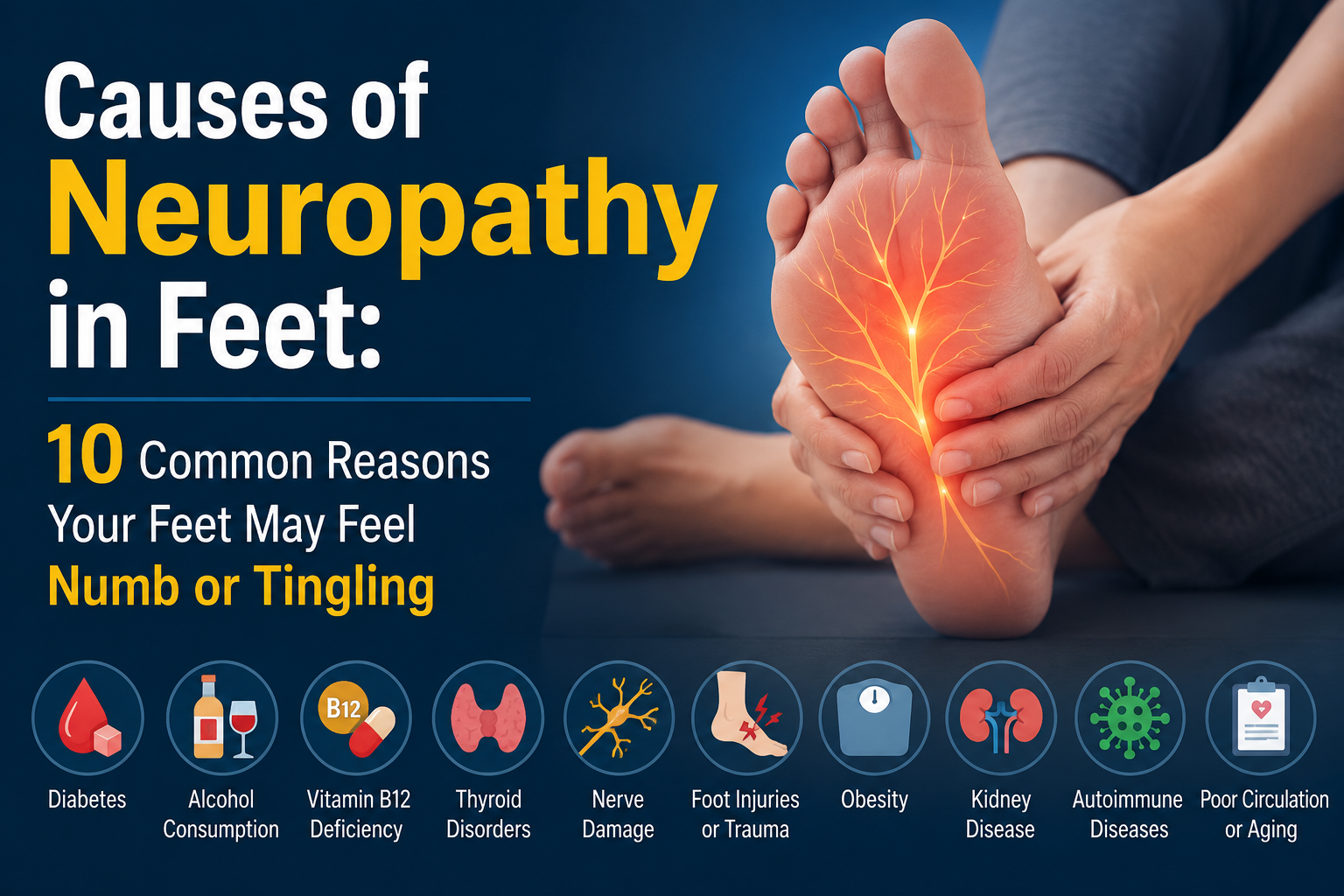
Have you ever experienced a pins-and-needles sensation in your feet, or noticed that your toes feel numb, burning, or unusually sensitive? Occasional tingling can happen when you sit or sleep in an awkward position, but persistent or recurring symptoms may indicate an underlying nerve problem.
Neuropathy in the feet occurs when nerves that carry signals between the feet, spinal cord, and brain become damaged or stop functioning properly. The condition can cause numbness, tingling, burning, sharp pain, weakness, or increased sensitivity to touch.
There are many possible causes of neuropathy, ranging from medical conditions and nutritional deficiencies to medications and lifestyle factors. Understanding the potential cause is an important first step toward receiving appropriate treatment.
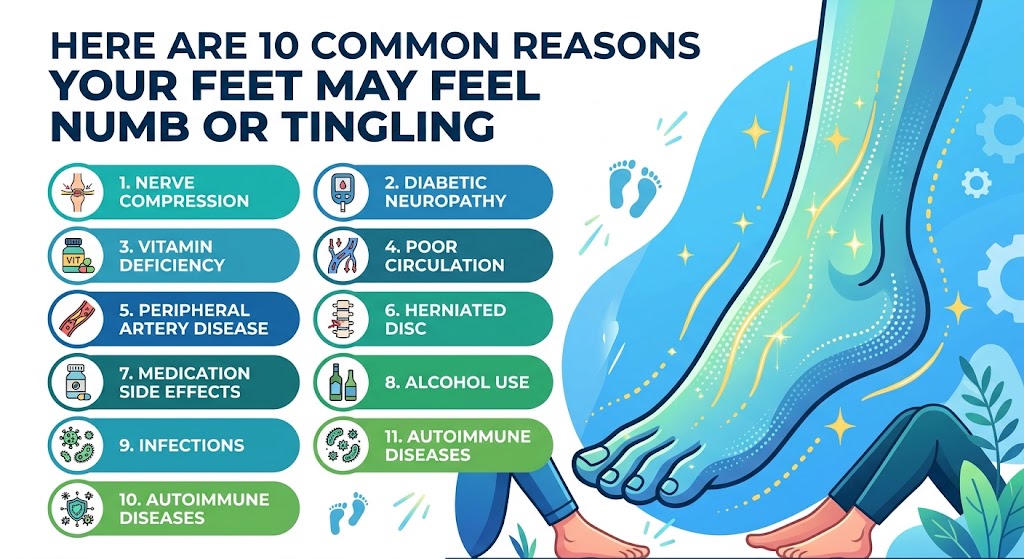
Here are 10 common reasons your feet may feel numb or tingling.
Click Here To Watch Video to Treat Neuropathy Disease Naturally!..
1. Diabetes
Diabetes is one of the most common causes of peripheral neuropathy. When blood sugar remains elevated for long periods, it can damage nerves and the small blood vessels that supply them with oxygen and nutrients.
Diabetic neuropathy often begins in the toes and feet before gradually affecting the lower legs. Symptoms may include numbness, burning, tingling, shooting pain, or reduced ability to feel temperature and touch.
Because reduced sensation can make it difficult to notice cuts, blisters, burns, or other injuries, people with diabetes should pay close attention to their feet. Maintaining healthy blood glucose levels and following a healthcare professional’s recommendations can help reduce the risk of nerve damage and prevent complications.
2. Vitamin B12 Deficiency
Vitamin B12 plays an important role in maintaining healthy nerve cells and producing DNA and red blood cells. A deficiency can interfere with normal nerve function and lead to neurological symptoms.
People with low B12 levels may experience numbness or tingling in their feet and hands, weakness, balance problems, or a sensation of walking on an uneven surface.
B12 deficiency can develop because of inadequate dietary intake, certain digestive conditions, or problems absorbing the vitamin. Some medications can also interfere with B12 absorption.
If a nutritional deficiency is suspected, a healthcare professional can perform blood tests and recommend appropriate treatment.
3. Alcohol Use
Heavy or long-term alcohol consumption can contribute to peripheral neuropathy. Alcohol may have a direct toxic effect on nerves, while excessive drinking can also contribute to poor nutrition and vitamin deficiencies.
Alcohol-related neuropathy commonly causes burning, tingling, numbness, or weakness in the feet and legs. Symptoms may develop gradually and become more noticeable over time.
Reducing or avoiding alcohol can be an important part of managing alcohol-related nerve problems. Nutritional deficiencies should also be evaluated and treated when present.
4. Certain Medications and Cancer Treatments
Some medications can damage peripheral nerves as a side effect. This is particularly well recognized with certain chemotherapy drugs used to treat cancer.
Medication-related neuropathy may cause tingling, numbness, burning sensations, pain, or weakness in the feet and hands. Symptoms may develop during treatment or sometimes continue after treatment has ended.
Other medications can also occasionally contribute to peripheral nerve problems. If you develop new or worsening numbness after starting a medication, talk to your healthcare professional rather than stopping the medicine on your own. They can determine whether the medication may be contributing to your symptoms and discuss possible alternatives or adjustments.
5. Nerve Compression or Injury
Nerves can become compressed, irritated, or injured because of trauma, repetitive movements, pressure, or certain physical conditions.
For example, pressure on a nerve in the lower back can cause symptoms that travel down the leg and into the foot. Conditions such as a herniated disc may irritate nerves and cause pain, tingling, numbness, or weakness.
Nerve compression can also occur around the ankle or foot. Depending on the affected nerve, symptoms may be concentrated in particular areas rather than affecting the entire foot.
Persistent symptoms, especially those accompanied by weakness or significant pain, should be evaluated to identify the source of the nerve irritation.
6. Autoimmune Diseases
Some autoimmune diseases can affect the peripheral nervous system. In autoimmune conditions, the immune system mistakenly attacks the body’s own tissues, and nerves may sometimes become involved.
Conditions such as rheumatoid arthritis, lupus, and certain inflammatory disorders can be associated with nerve symptoms. Some autoimmune neuropathies can develop relatively quickly, while others progress more gradually.
People with an autoimmune condition who develop unexplained numbness, tingling, weakness, or burning sensations should discuss these symptoms with their healthcare provider. Identifying and treating the underlying inflammatory condition may help protect nerve function.
7. Kidney or Liver Disease
The kidneys and liver help remove waste products and maintain a healthy internal chemical balance. When these organs are significantly impaired, waste products or metabolic changes can affect the nervous system.
Advanced kidney disease, for example, can be associated with peripheral neuropathy. Some forms of severe liver disease may also contribute to neurological symptoms.
If foot numbness occurs alongside symptoms such as swelling, changes in urination, severe fatigue, jaundice, or other signs of organ disease, medical evaluation is important.
8. Thyroid Problems
The thyroid gland produces hormones that influence metabolism and many other processes throughout the body. An underactive thyroid, known as hypothyroidism, can sometimes be associated with nerve-related symptoms.
People with hypothyroidism may experience fatigue, weight changes, dry skin, sensitivity to cold, muscle weakness, or numbness and tingling in the hands and feet.
Because these symptoms can occur with many other conditions, testing is usually needed to determine whether thyroid dysfunction is involved.
Treating an underlying thyroid disorder may improve associated nerve symptoms in some people.
9. Infections
Certain infections can damage or irritate peripheral nerves. Some infections are associated with inflammation that affects the nervous system, while others can cause nerve damage as part of their complications.
Depending on the infection, symptoms may include pain, burning, numbness, tingling, or weakness. In some cases, neurological symptoms can appear during or after the infection.
The specific treatment depends on the underlying infection and the type of nerve involvement. Anyone who develops significant neurological symptoms after an infection should seek medical advice.
10. Unknown or Idiopathic Causes
Sometimes, doctors cannot identify a specific cause of peripheral neuropathy even after appropriate testing. When no underlying cause can be found, the condition may be described as idiopathic neuropathy.
This does not mean that the symptoms are not real. Numbness, tingling, burning, and nerve pain can significantly affect sleep, mobility, and quality of life even when the original cause remains unclear.
A healthcare professional may monitor symptoms over time and focus on managing pain, maintaining mobility, preventing injuries, and identifying any changes that could point toward an underlying condition.
What Does Neuropathy in the Feet Feel Like?

Click Here To Watch Video to Treat Neuropathy Disease Naturally!..
Neuropathy can affect people differently. Common symptoms include:
- Numbness or reduced sensation
- Tingling or a pins-and-needles feeling
- Burning or aching pain
- Sharp, stabbing, or electric-like pain
- Increased sensitivity to touch
- Feeling as though you are wearing socks when you are not
- Muscle weakness
- Problems with balance or coordination
Symptoms may affect both feet, although some forms of nerve irritation can affect one side more than the other.
When Should You See a Doctor?

Click Here To Watch Video to Treat Neuropathy Disease Naturally!..
Occasional tingling after sitting in an unusual position is usually temporary. However, persistent, recurrent, or worsening numbness deserves medical attention.
Make an appointment with a healthcare professional if you experience unexplained tingling or numbness that lasts, keeps returning, interferes with daily activities, or is accompanied by pain or weakness.
Seek urgent medical attention if numbness develops suddenly or occurs with symptoms such as significant weakness, difficulty speaking, confusion, loss of bladder or bowel control, severe back pain, or other sudden neurological changes.
Early evaluation can help identify potentially treatable causes and reduce the risk of complications.
How Is Neuropathy Diagnosed?
Click Here To Watch Video to Treat Neuropathy Disease Naturally!..
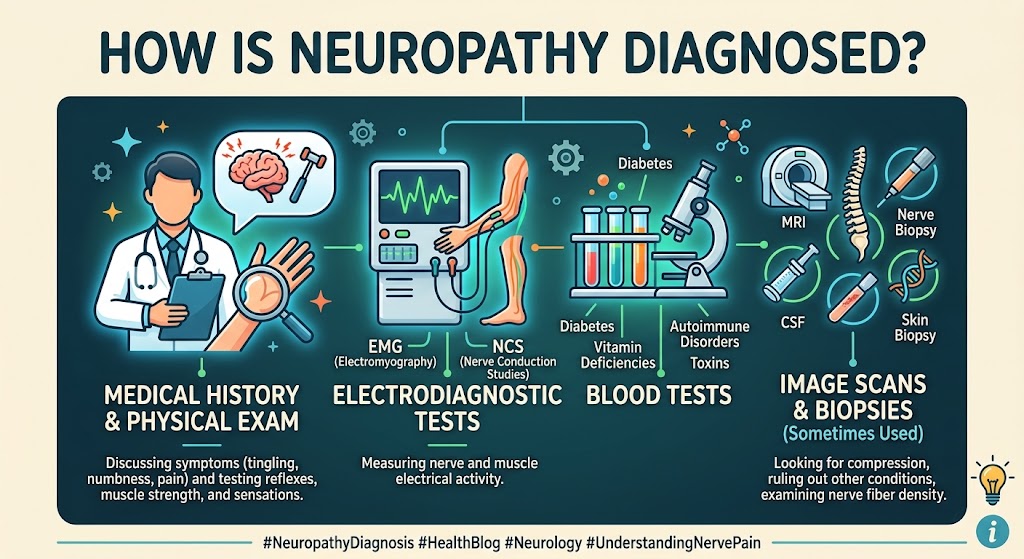
Diagnosing neuropathy typically begins with a medical history and physical examination. A healthcare professional may ask when symptoms began, where they occur, whether they are getting worse, and whether you have any medical conditions or take medications that could affect nerve function.
Depending on the situation, testing may include blood tests to look for conditions such as diabetes, vitamin deficiencies, thyroid problems, or other metabolic issues. Additional tests, such as nerve conduction studies or electromyography, may sometimes be recommended.
The goal is not simply to confirm that nerve damage exists but also to determine why it is happening.
Can Neuropathy in the Feet Be Prevented?

Click Here To Watch Video to Treat Neuropathy Disease Naturally!..
Not every case of neuropathy can be prevented, but several steps may lower the risk of nerve damage or help prevent complications.
Managing conditions such as diabetes, eating a balanced diet, avoiding excessive alcohol consumption, exercising regularly, and taking medications as prescribed can support overall nerve health.
Foot care is especially important when sensation is reduced. Check your feet regularly for cuts, blisters, redness, swelling, or other injuries. Wearing properly fitting shoes can also help protect areas that have become less sensitive.
If you already have neuropathy, your healthcare professional can recommend strategies based on its underlying cause.
Final Thoughts
Numbness and tingling in the feet can have many possible causes. Diabetes, vitamin B12 deficiency, alcohol use, medications, nerve compression, autoimmune diseases, kidney or liver problems, thyroid disorders, and infections are among the common conditions associated with peripheral neuropathy. In some cases, no clear cause can be identified.
The right treatment depends largely on what is causing the nerve problem. That is why persistent foot numbness or tingling should not simply be ignored.
If your feet frequently feel numb, burning, painful, or unusually sensitive, consider discussing your symptoms with a healthcare professional. Identifying the underlying cause early can help guide treatment, protect nerve function, and reduce the risk of foot-related complications.